A laboratory for local cultural practices
Arente, a rente, arrente: (Del port.). adv. A ras [= casi tocando o al mismo nivel de una cosa]
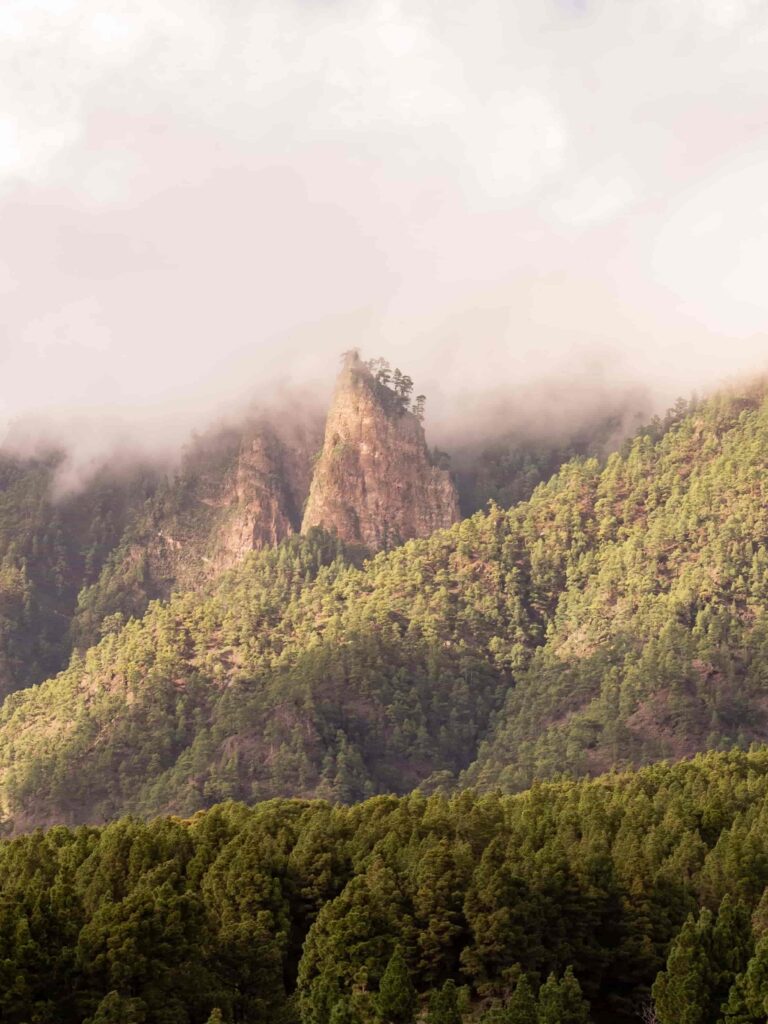
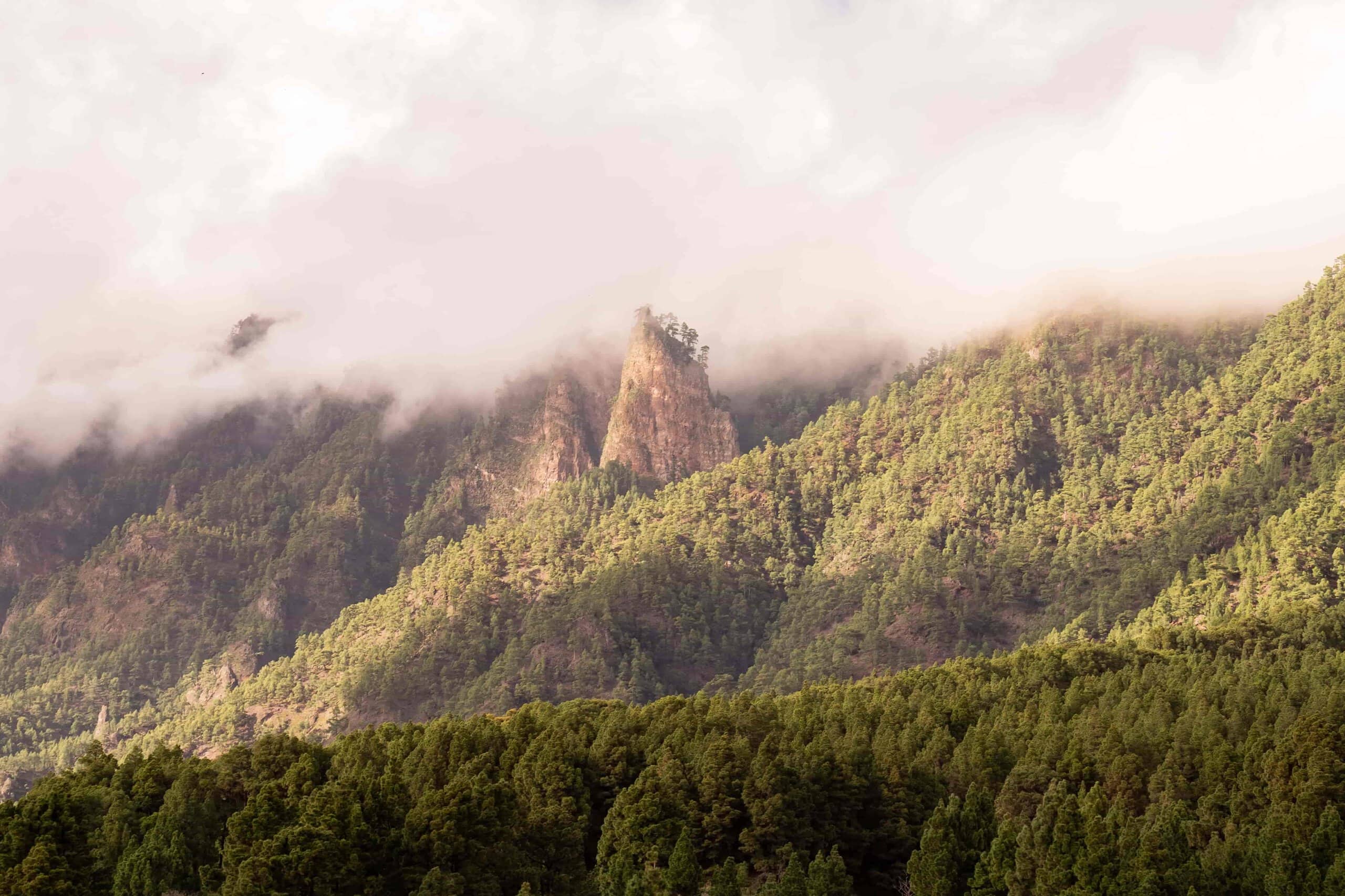
Arrente La Palma es un proyecto iniciado en 2023 que busca establecer conexiones entre agentes locales, saberes y expertos para explorar políticas culturales innovadoras que pongan en valor y protejan la cultura de la isla. Su objetivo principal es reivindicar la importancia de la cultura en el contexto contemporáneo de las zonas alejadas de los grandes núcleos urbanos, especialmente vinculadas con el paisaje que las envuelve, tejiendo redes sólidas de apoyo y aprendizaje. La zona de actuación principal es el territorio del Valle de Aridane, donde las condiciones del paisaje abrupto han creado límites fronterizos que aíslan y ponen en riesgo la cultura.
Seeking to raise the profile of the cultural dimension of these landscapes, the project is based on fieldwork, exploring the territory alongside local cultural practitioners in order to document all the knowledge and traditions that often go unnoticed by cultural institutions. In this way, it becomes a living laboratory of local cultural practices, a creative process for testing new methodologies that may inspire future cultural initiatives.
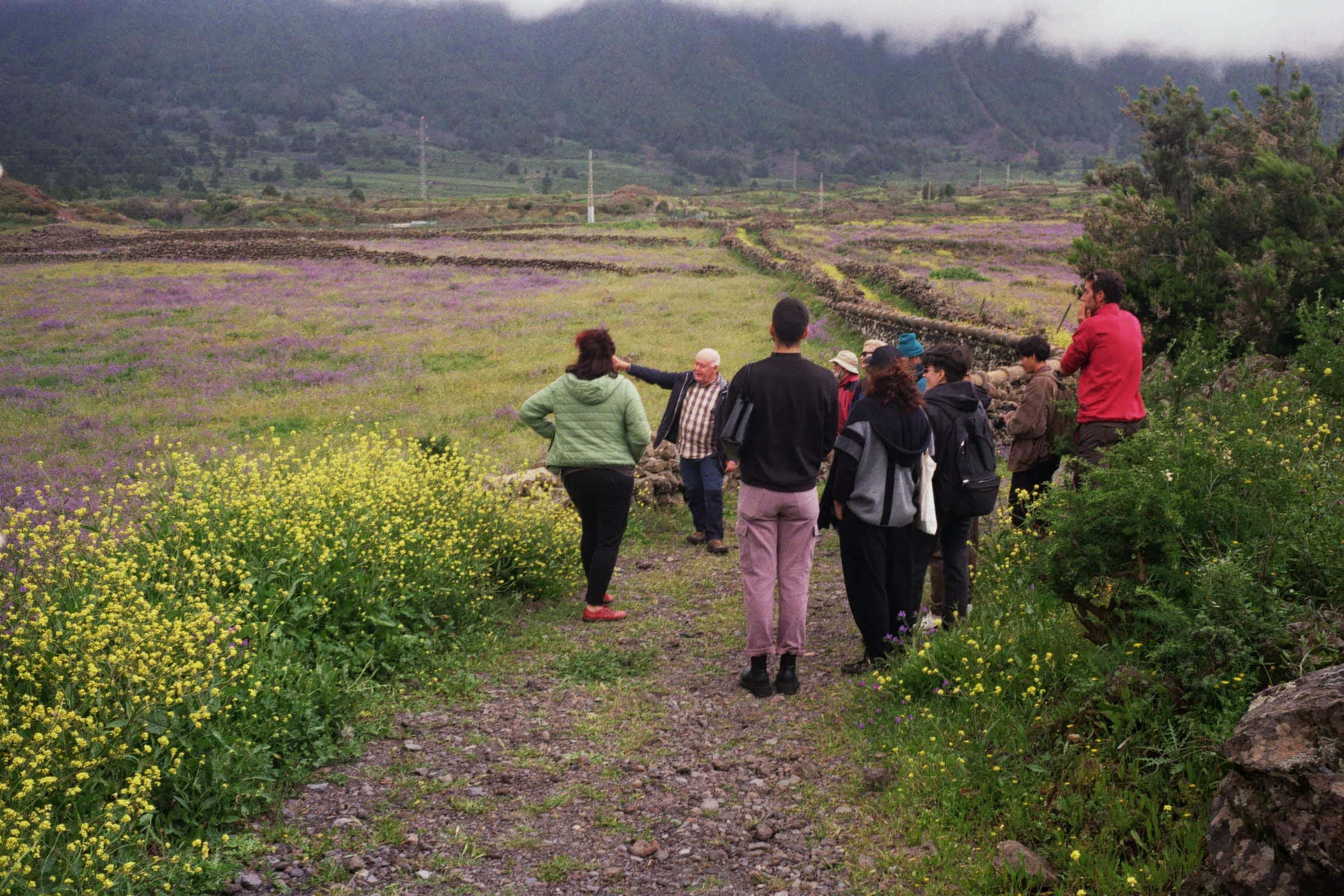
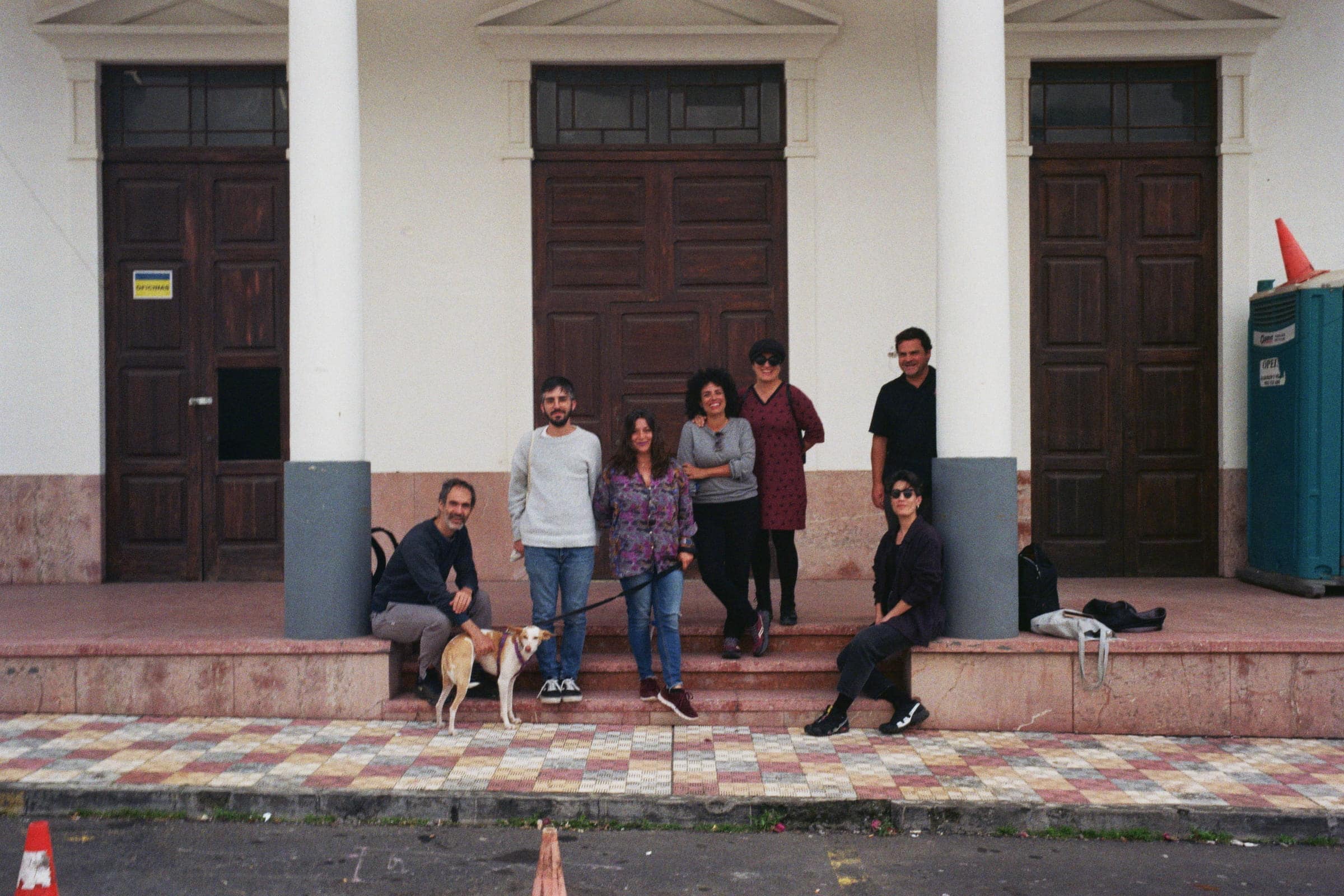
Between autumn 2023 and summer 2025, we explored La Palma through curated walks, sit-down discussions, meetings and events with experts and residents of the island.
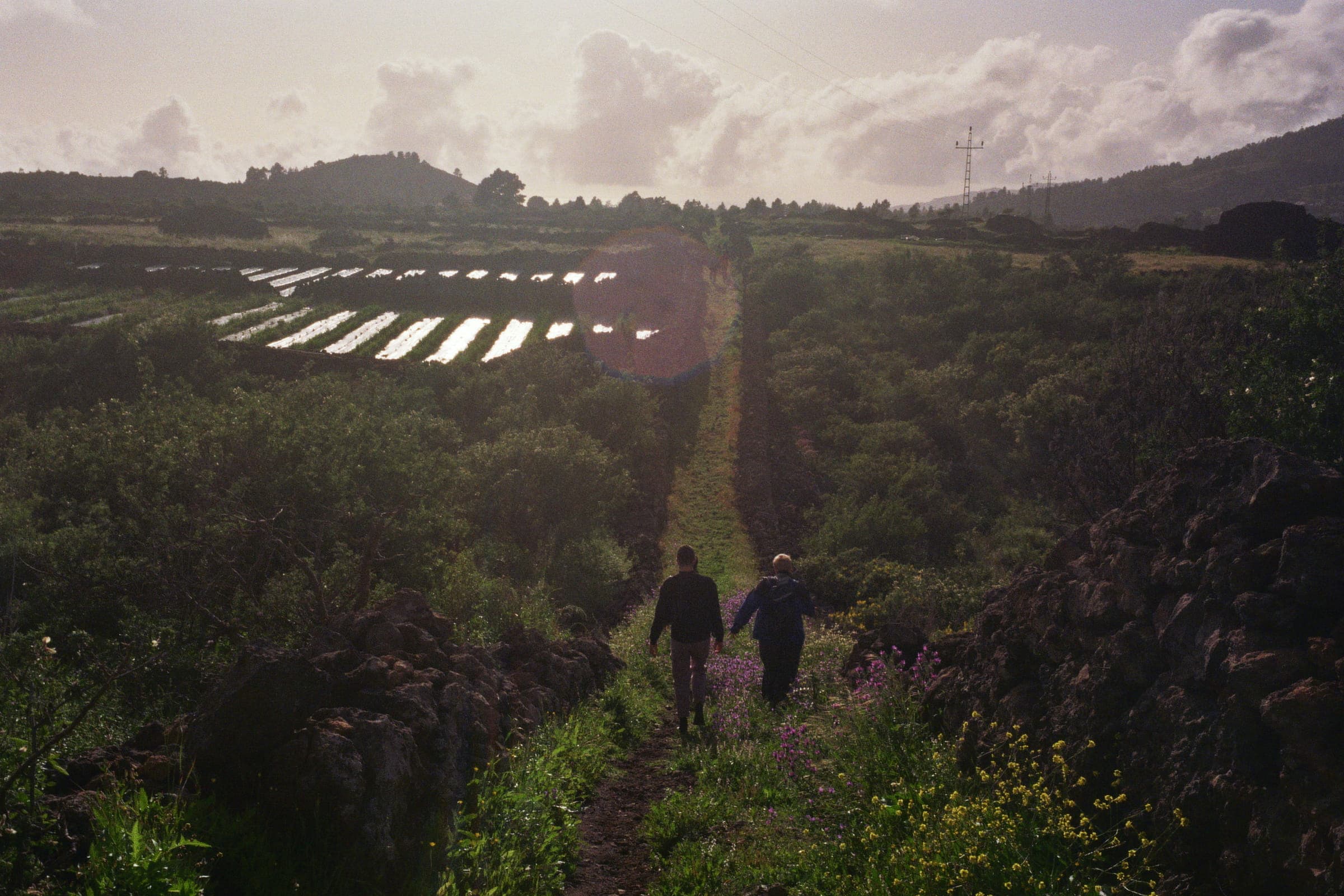
The curated walks enabled us to explore, through direct experience, the dilemmas between the rural, the urban and the cultural. The tours of El Llano de las Cuevas and the outskirts of El Paso raised issues such as the abandonment of traditional crops, land stewardship, conflicts between rural and urban land uses, fire risk planning, and the revitalisation of heritage features such as threshing floors.
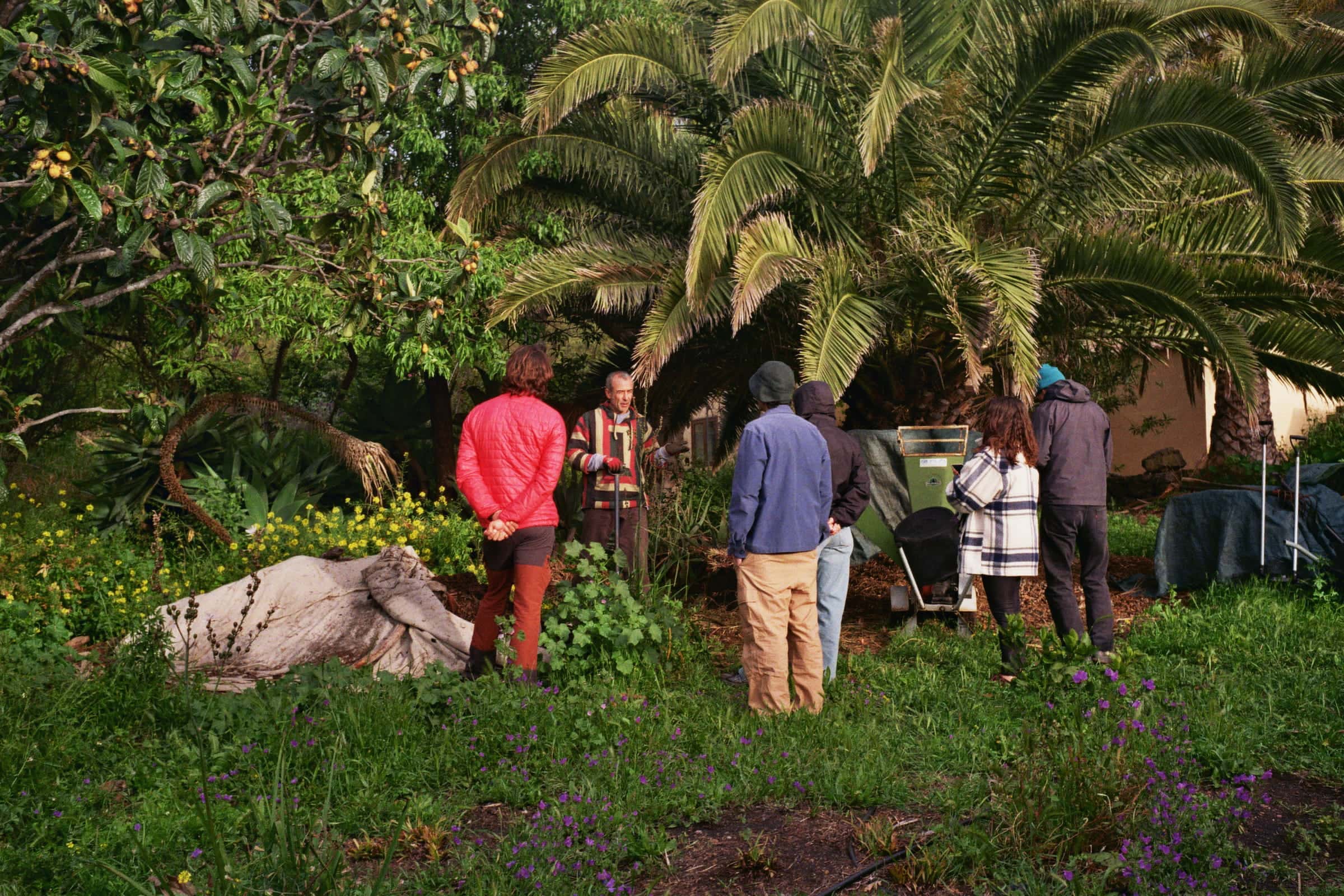
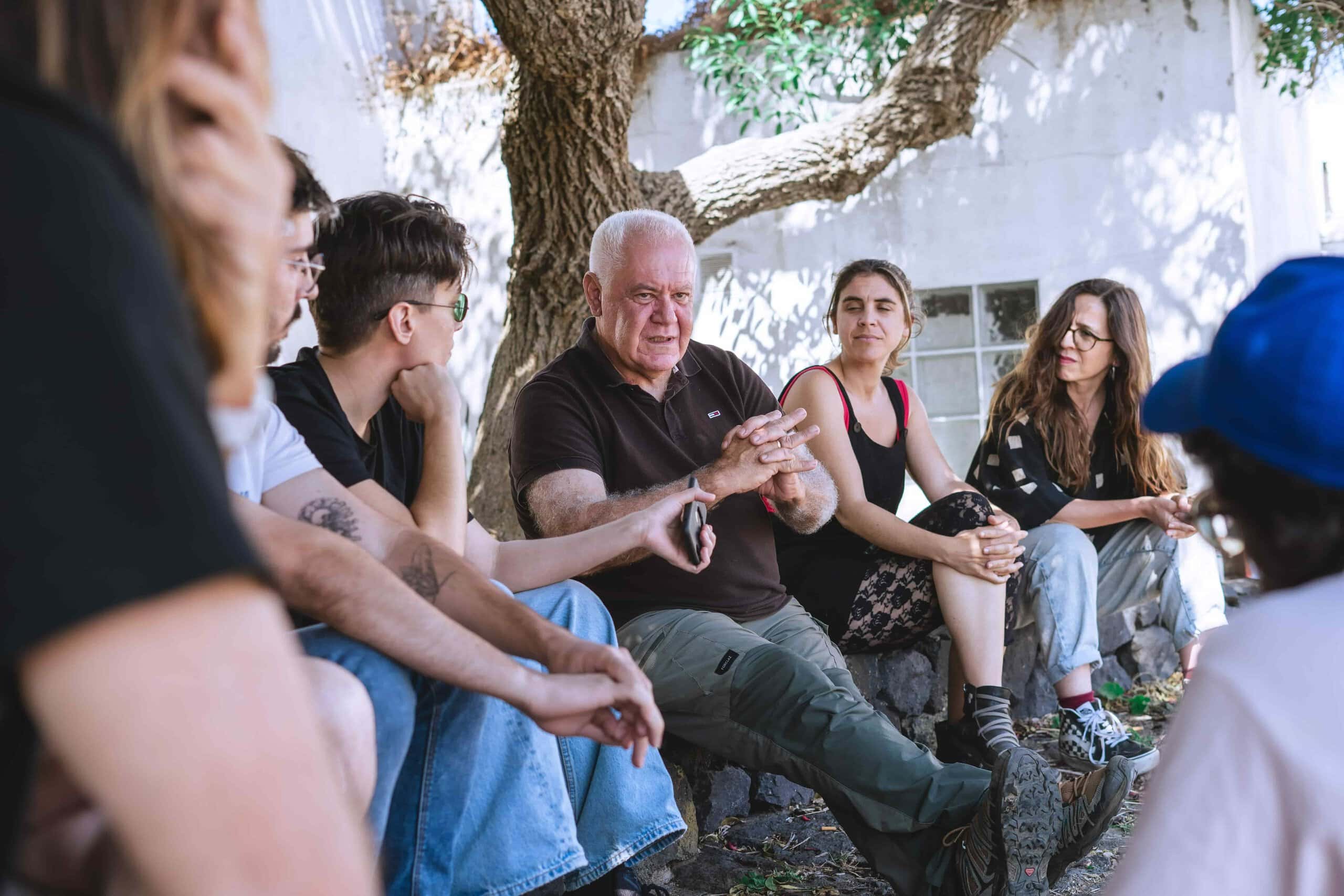
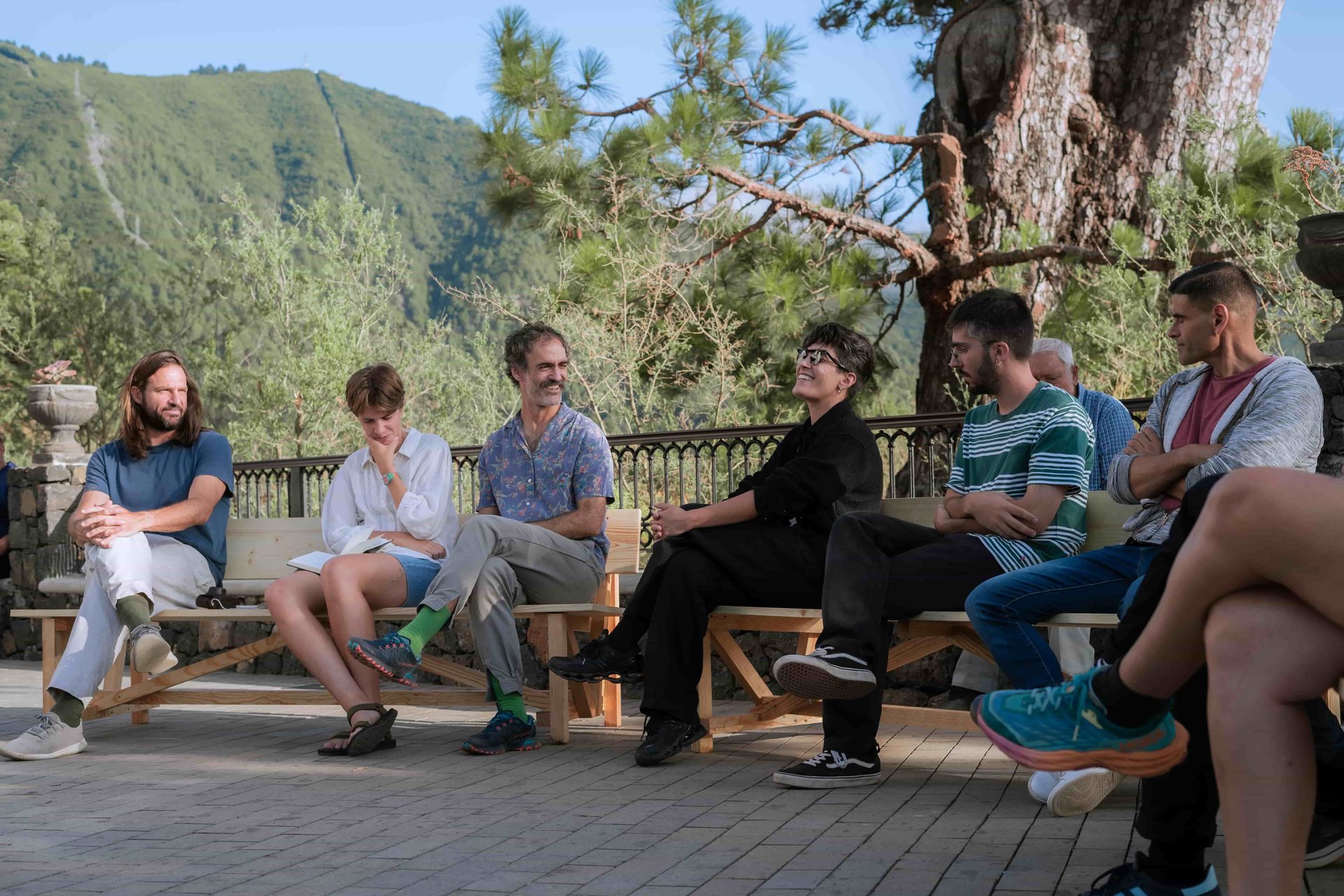
The round-table discussions became spaces for dialogue between cultural practitioners, experts and institutions. The first, held at the Pino de la Virgen, highlighted the over-scheduling of events and the precarious situation of cultural practitioners, calling for support networks and the revitalisation of abandoned spaces to foster a sense of community. The second, held on a threshing floor next to the church of El Paso, highlighted the ethnographic and intangible heritage at risk of disappearing and proposed new social uses for threshing floors, cisterns and ovens.
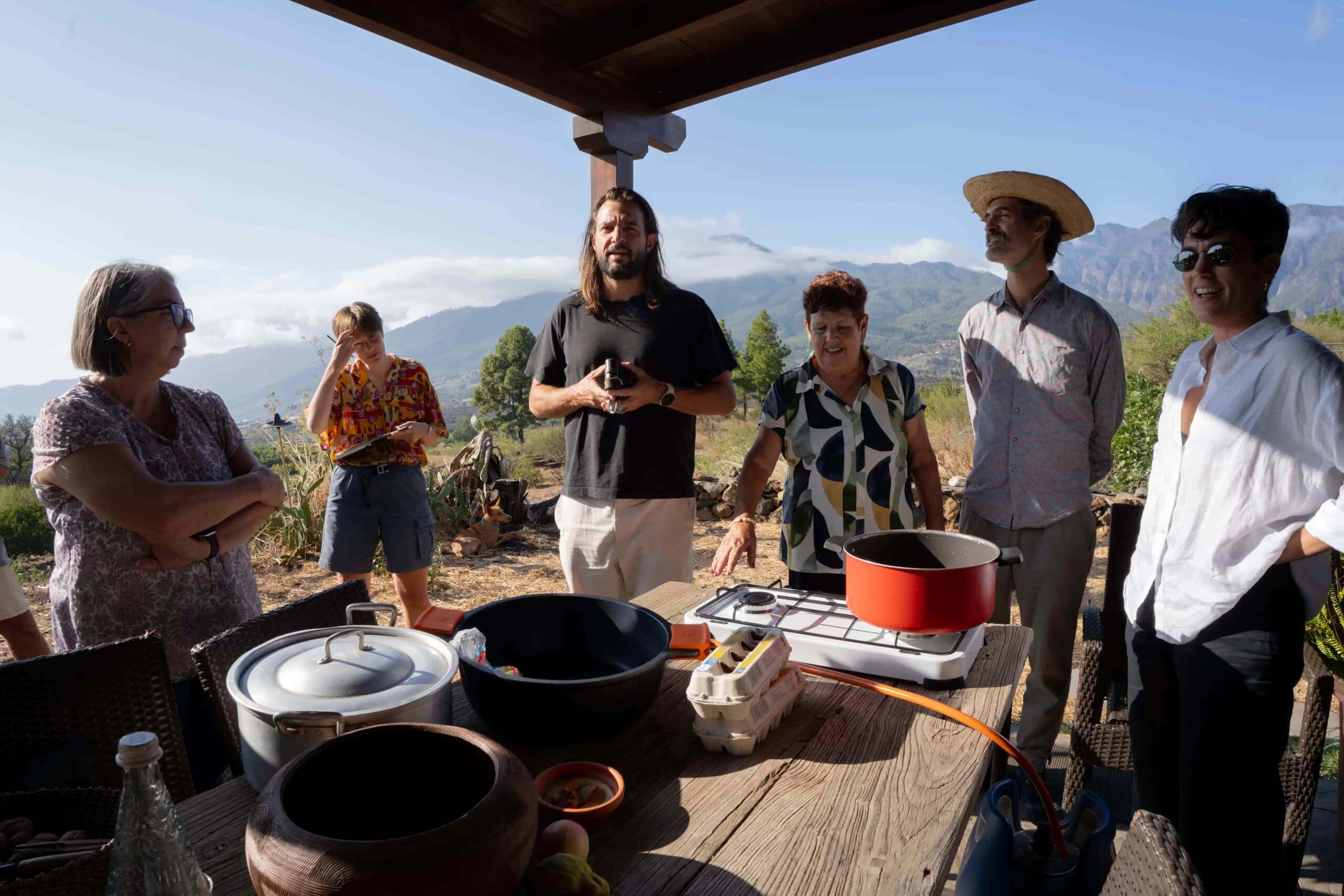
Two closing events embodied the project’s spirit of ‘pairing’. At the Pedro García Salguero’s almond eco-farm in Tacande, a discussion on land stewardship and generational succession was accompanied by a demonstration of traditional almond cheese-making and a tasting of delicious local cheeses.
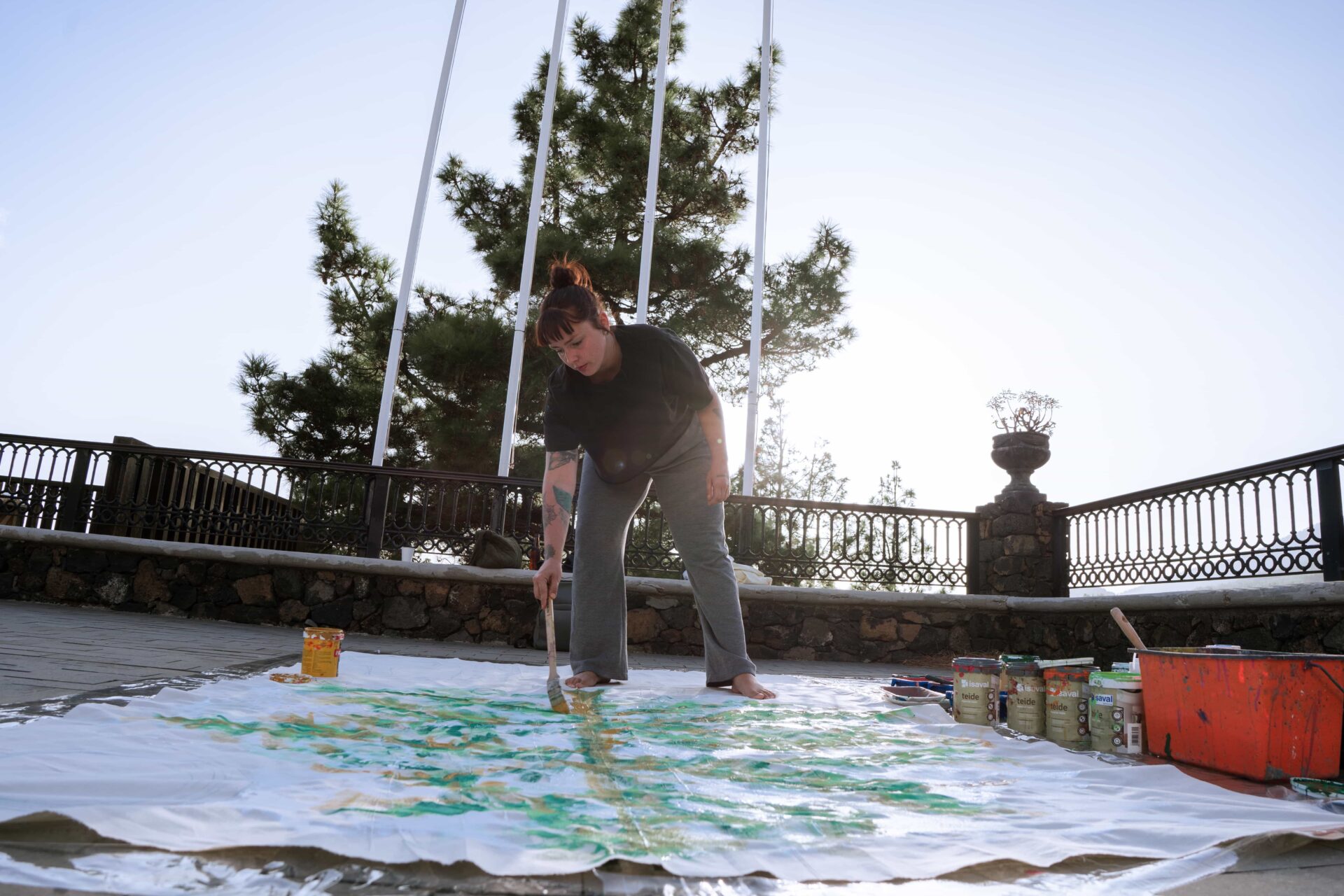
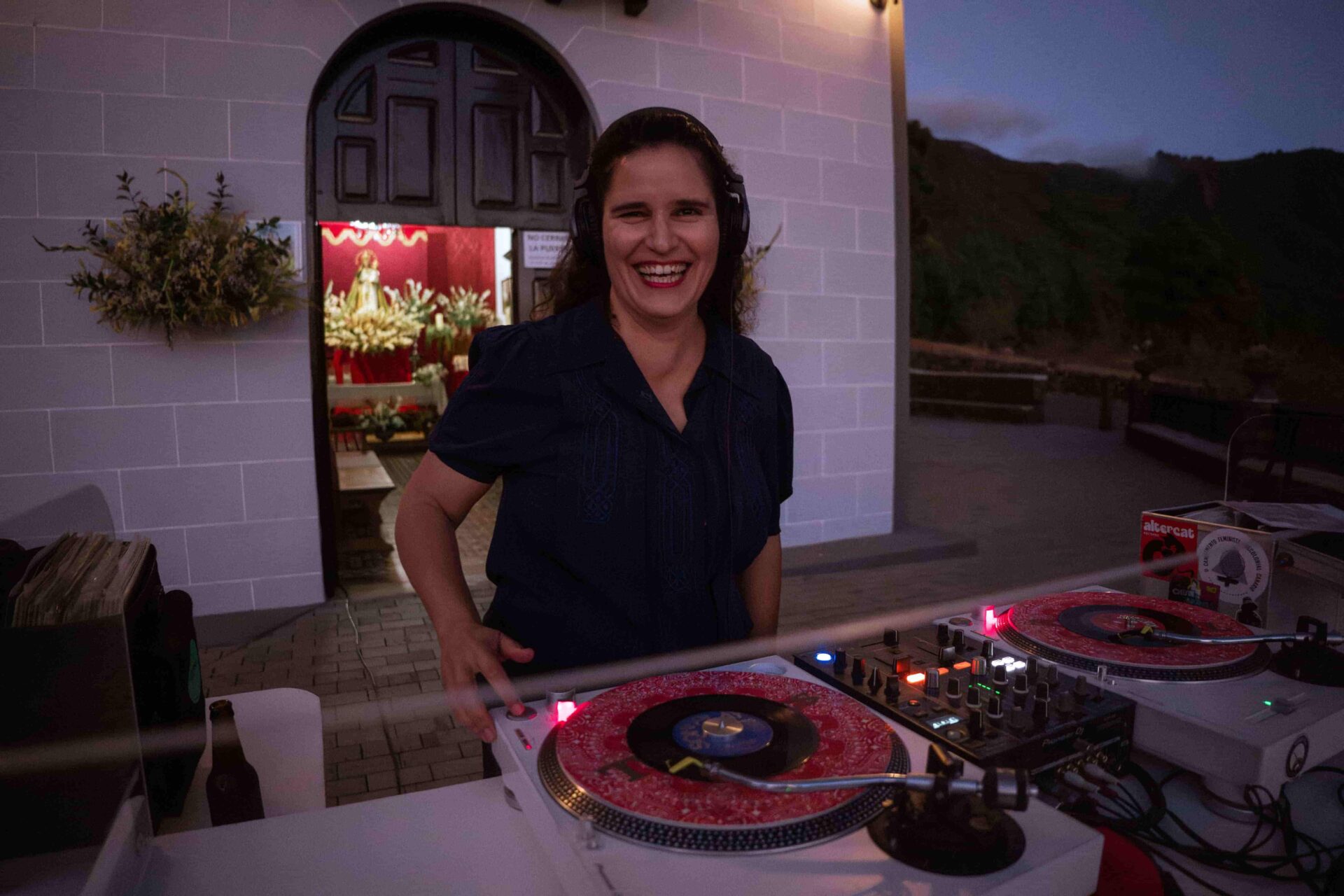
The second event, held in front of the Virgen del Pino Chapel, centred on the heritage of the Valle de las Cuevas, featuring a live mural by the artist Ángela Glezal and a set by DJ Monterreina that transformed the public space into a dance floor. The furniture used for the activities was built at the municipal workshop in El Paso with the help of Manolo Villalba and donated to the Town Council for reuse in future programmes.
Rather than a conclusion, Arrente leaves things open-ended: tools to continue thinking about and fostering culture in the region, and a starting point for new connections and future programmes. All the work carried out by the laboratory can be explored through the printed dossier and the online map illustrating the network of stakeholders who have been part of Arrente.