
An arts-based educational kit to rethink urban space
What would you protect in the public spaces around you?
What would you add?
What would you replace?
PLANEA is a network of educational centres, cultural organisations and institutions that use artistic practices in state schools in a cross-curricular and context-specific way. In late 2024, this network launched the Transformative Futures Kit project, in which three Spanish collectives would design three educational programmes based on artistic methodologies to develop skills linked to the social and solidarity economy in public education. These programmes took the form of three kits to be sent to schools to guide the students in carrying out the activities.
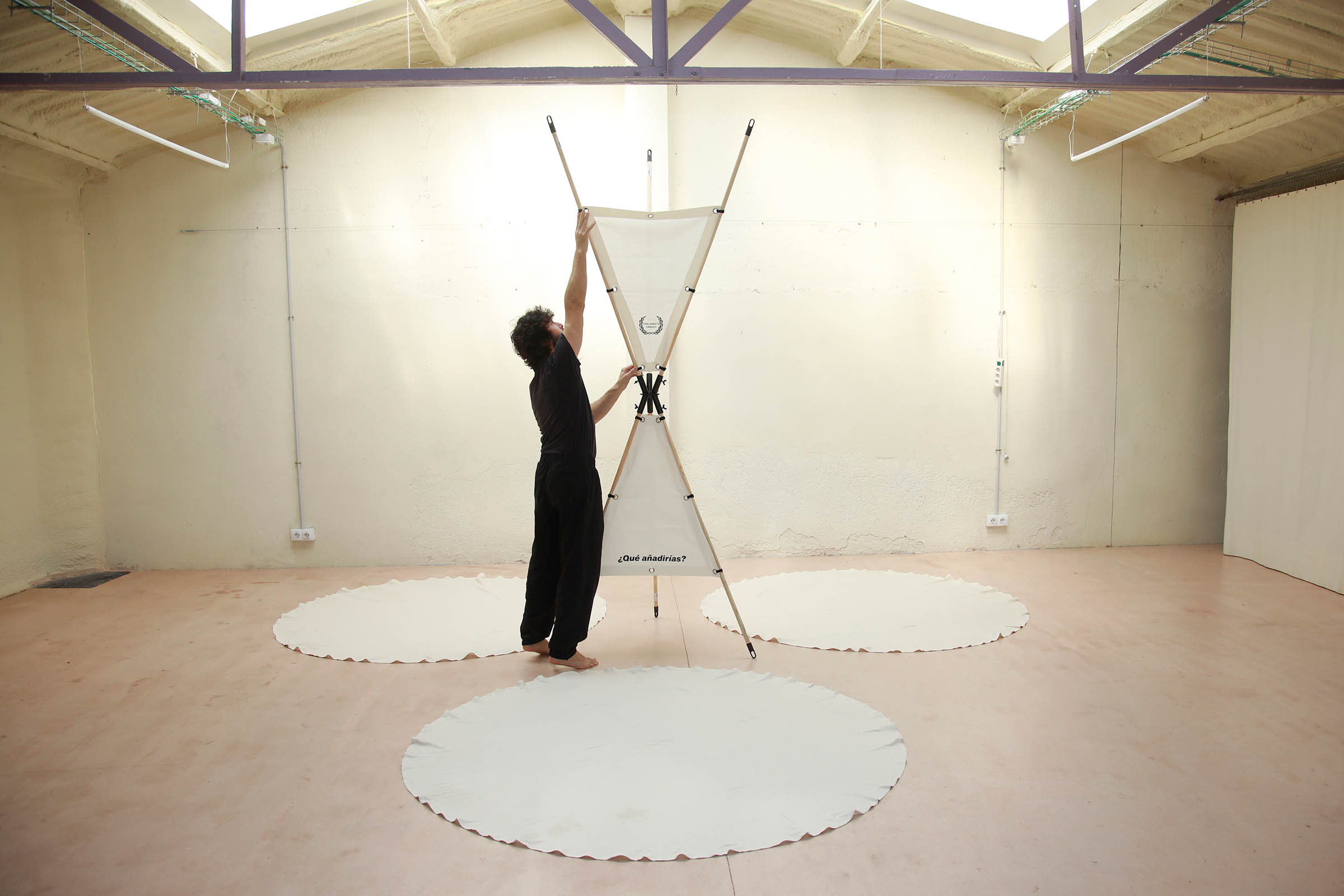
Zuloark has designed the Urban Parliament Kit, which proposes the creation of Urban Parliaments self-organised by the students. We understand an Urban Parliament as a civic infrastructure; a piece of street furniture for rest and enjoyment of public space, but also for the active, free and open promotion of discussion about the city from within the city, designed to include as many stakeholders as possible in the process.
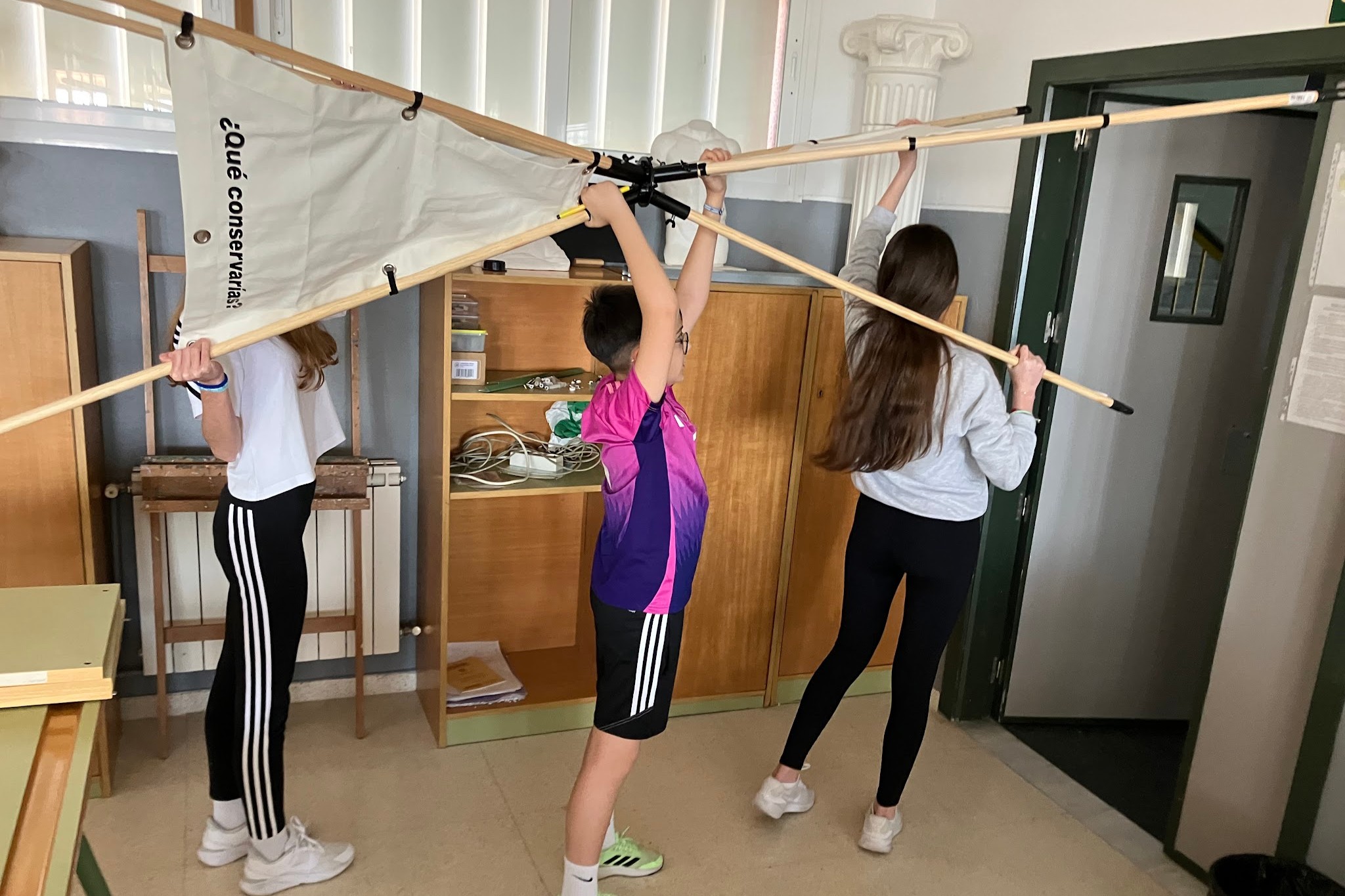
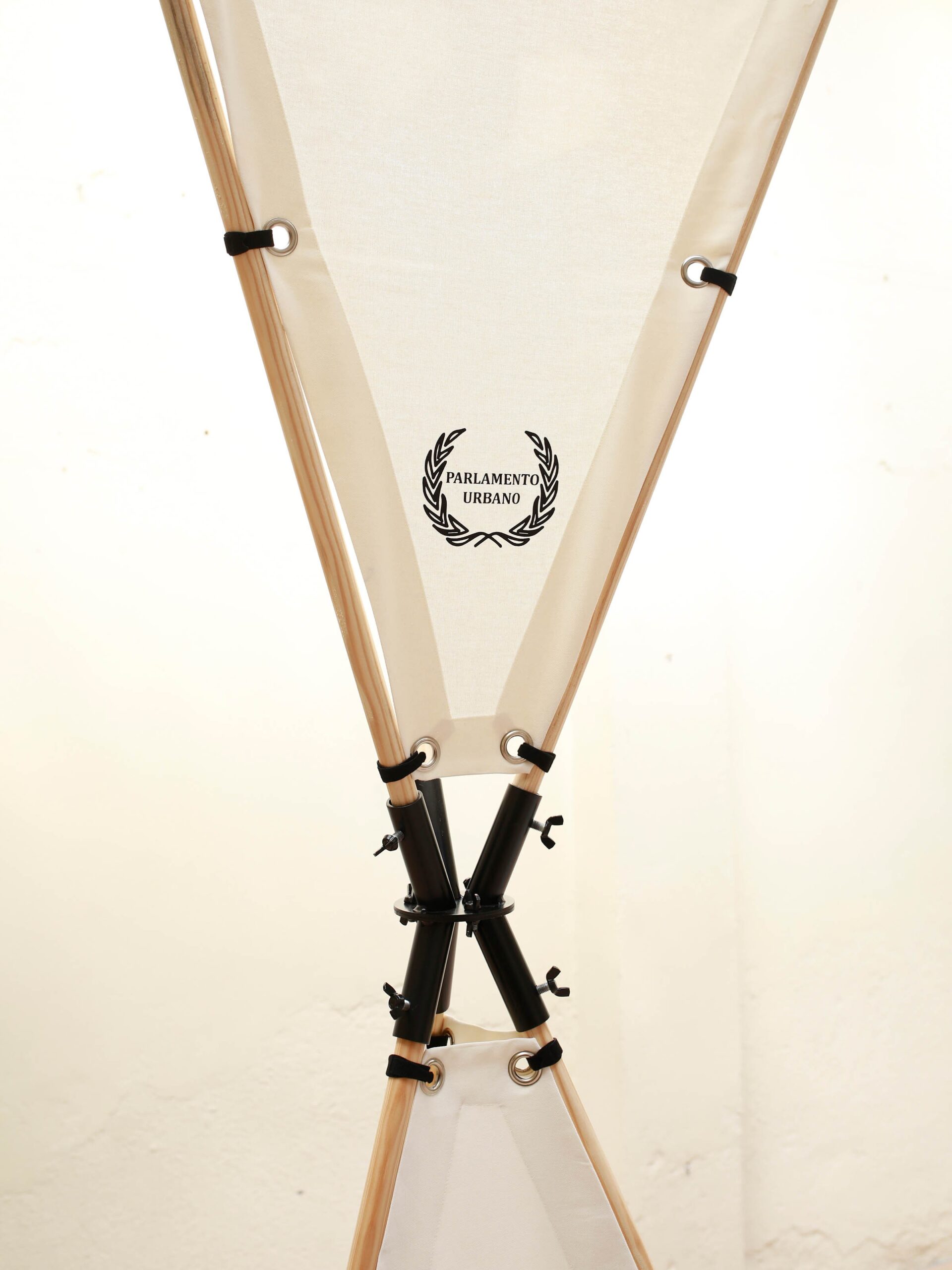
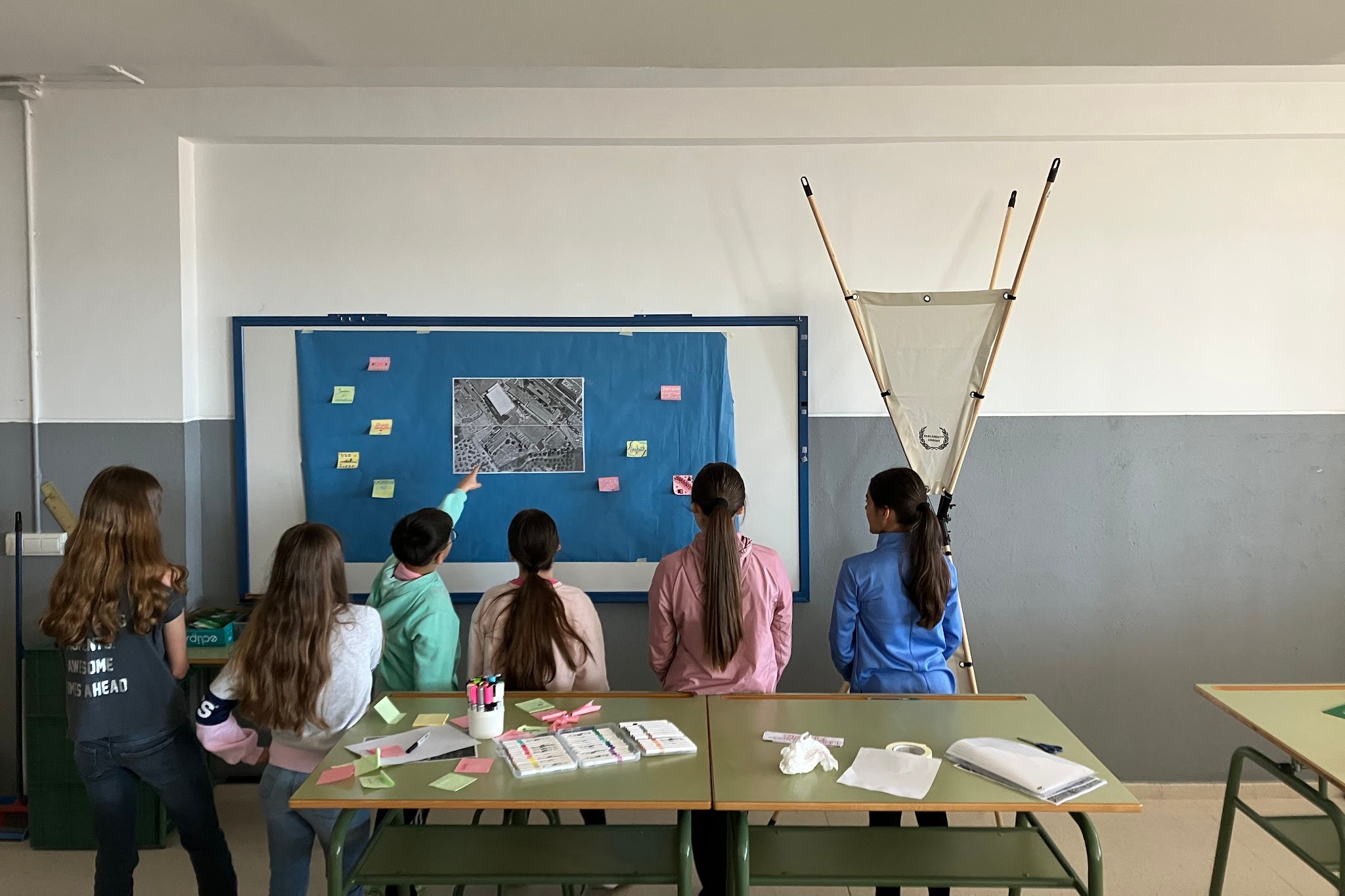
The kit received by each centre includes the materials needed to build a parliamentary totem – a symbol of the Parliament and a spatial organiser – which can be moved to different locations in public spaces, transforming them into settings for dialogue and critical reflection on the city. The kit’s design prioritises ease of assembly and adaptability to the schools’ logistics, encouraging the reuse of local materials and the free self-assembly of the various seats. Ultimately, the totem can remain at the school for other activities once the project has finished.
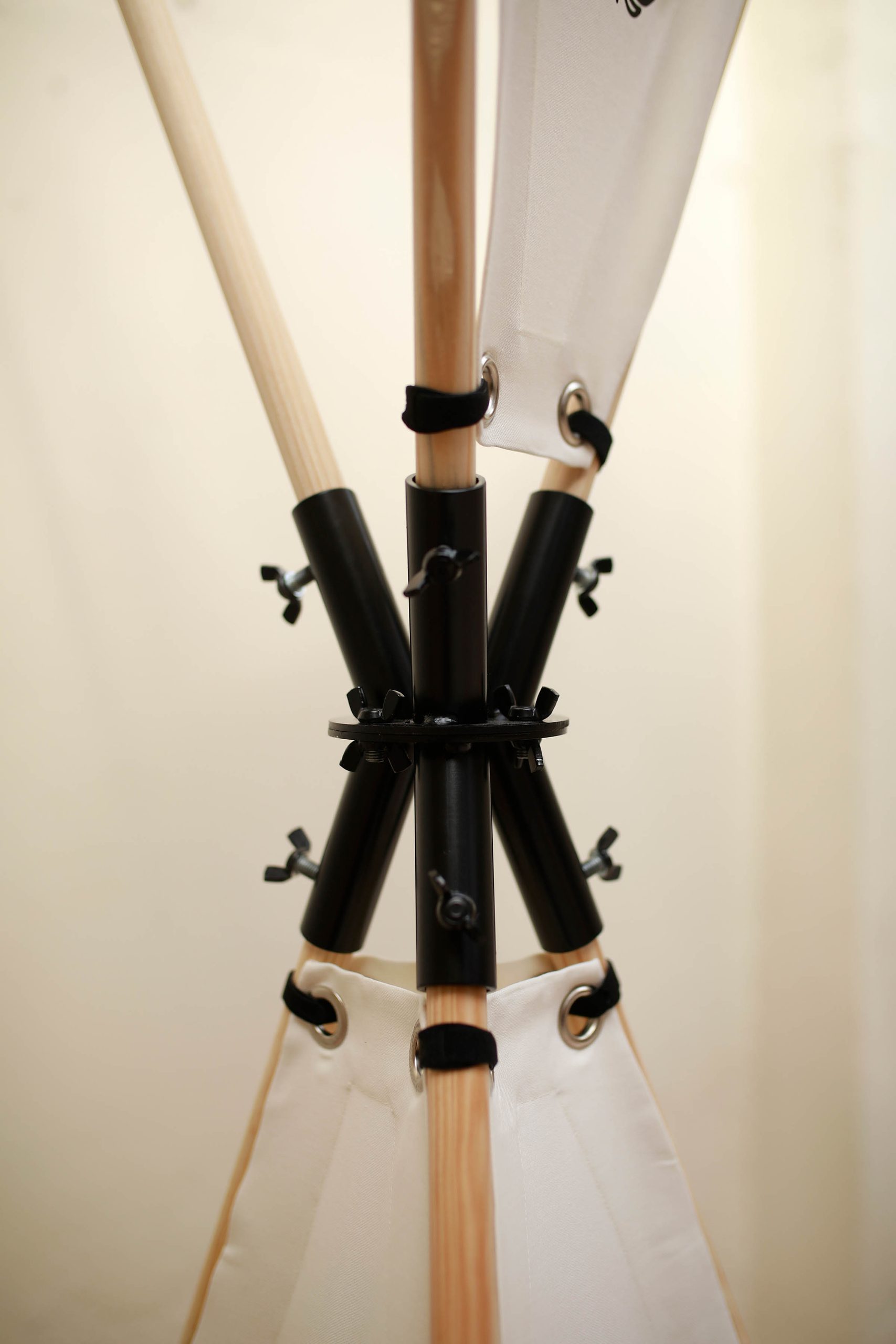
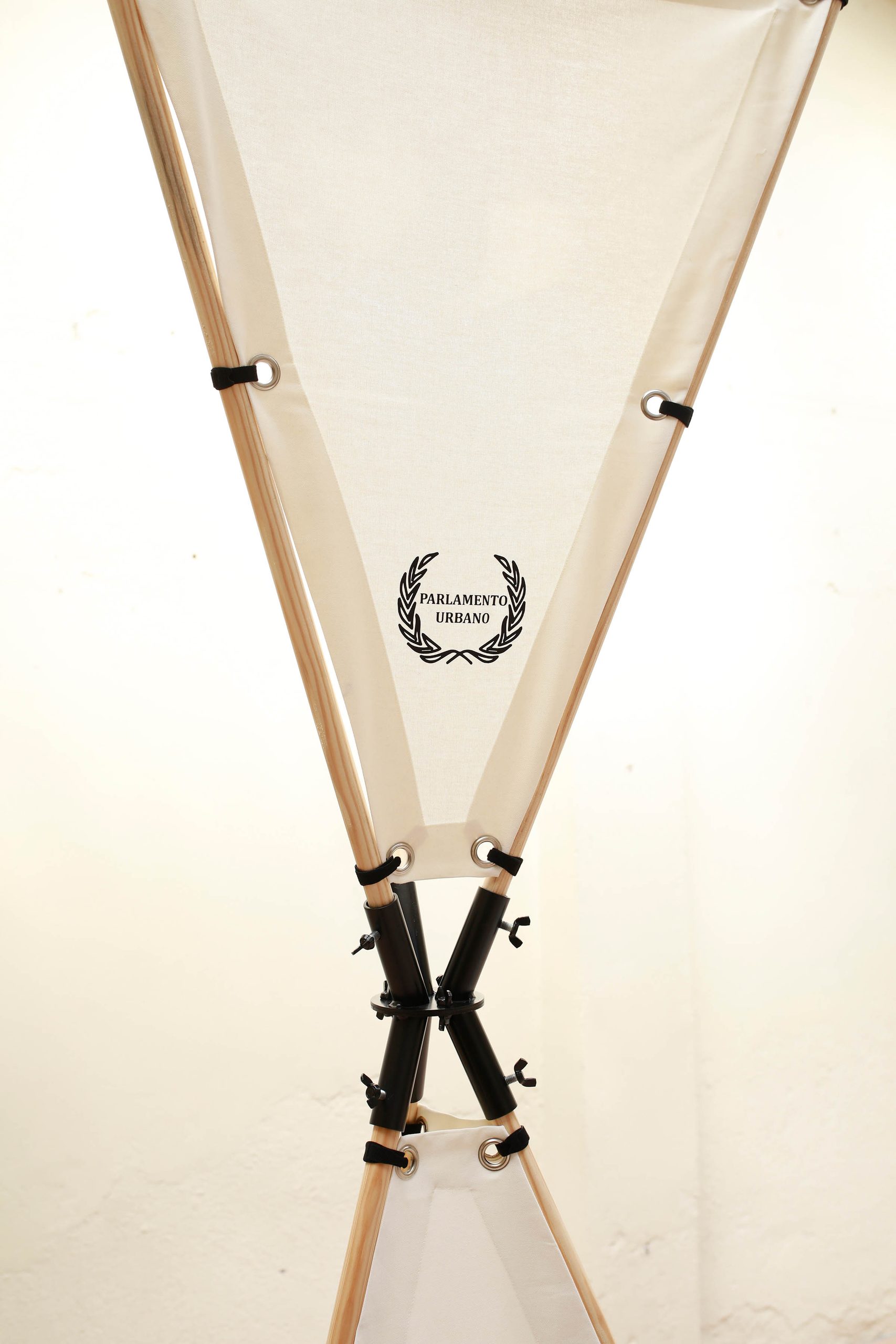
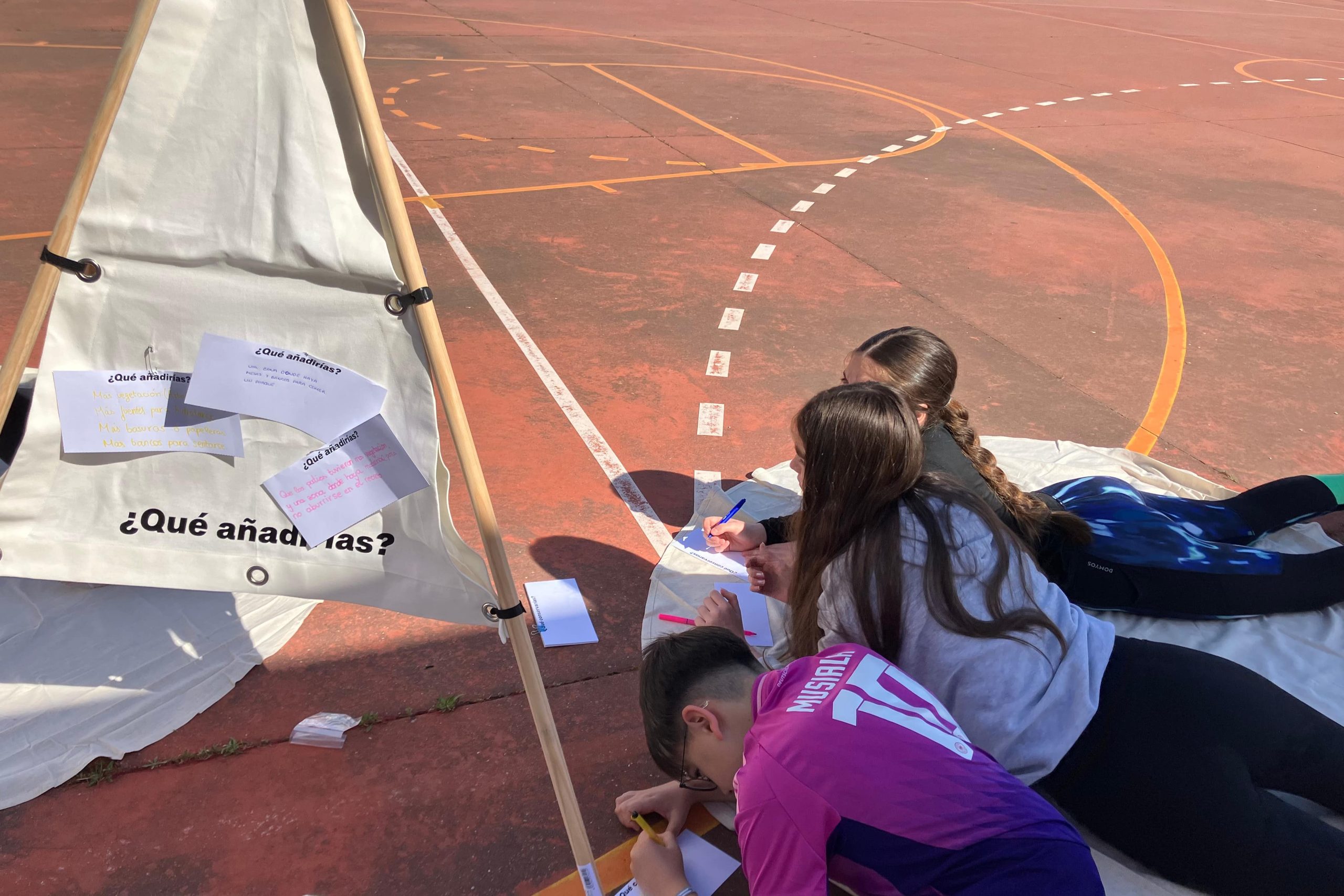
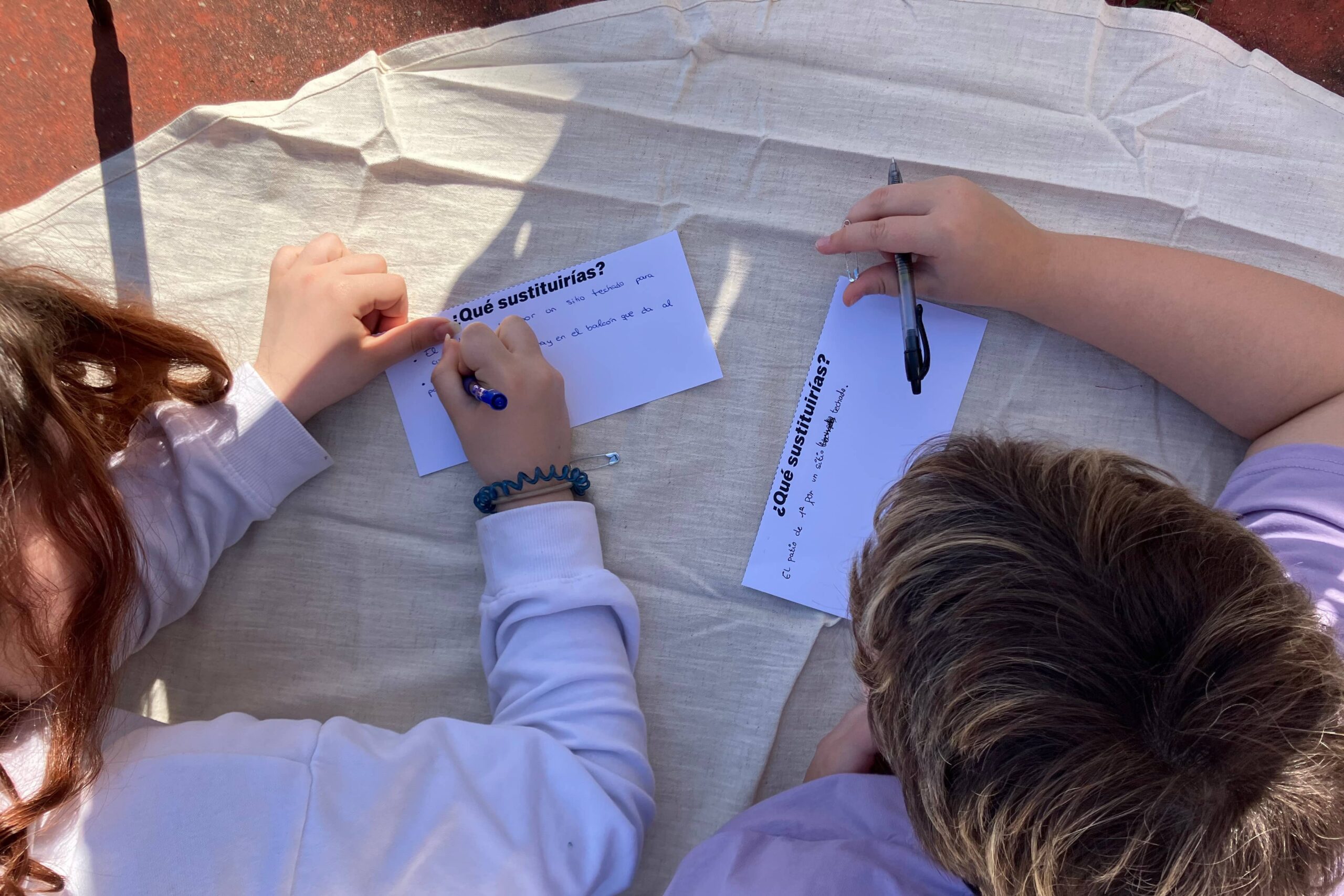
During the Parliament’s proceedings, in the public space, discussions take place about the city’s future and potential changes to make it a better place. Answers are sought to three questions that guide the session: What would you protect in the public space around you? What would you add? What would you replace? All ideas are collected and noted on the totem, later serving as the basis for creating a Declaration of Urban Rights that reflects these thoughts about the city. Finally, a joint OpenSource map is drawn up where each school marks the public space where they held the Urban Parliament, along with their conclusions about it, outlining a possible dream future.
This project is led by PLANEA, the Art and School Network, supported by the Spanish Ministry of Labour and Social Economy and funded by the European Union – NextGenerationEU.