The ways of building and living that make a shelter come to life
Inteligencias Colectivas (IC) is a cultural project developed by the team at the Zoohaus Cultural Association in collaboration with various partners since 2010. It is an open research platform focusing on design and cultural heritage, an archive for sharing knowledge about construction details, inventions, objects and processes of a cultural, architectural or tactical urban planning nature that are not standardised.
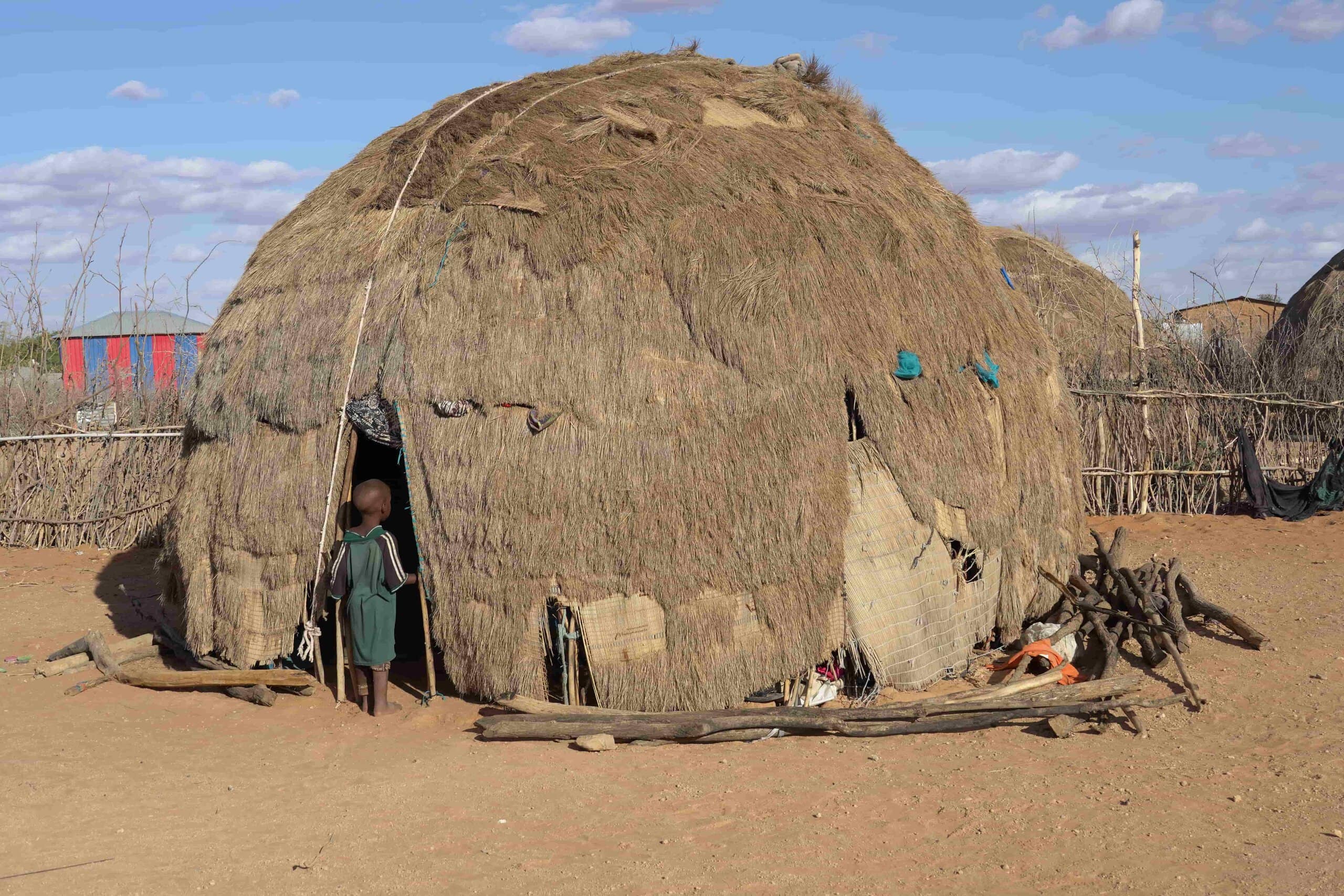
IC Ethiopia aims to discover, catalogue, improve and develop ways of building and living that are specific to the Dolo Ado refugee camps in southern Ethiopia. Building on this, the project enables different communities to participate in a two-way process of design and development to achieve a better and more resilient life whilst they are in the camps.
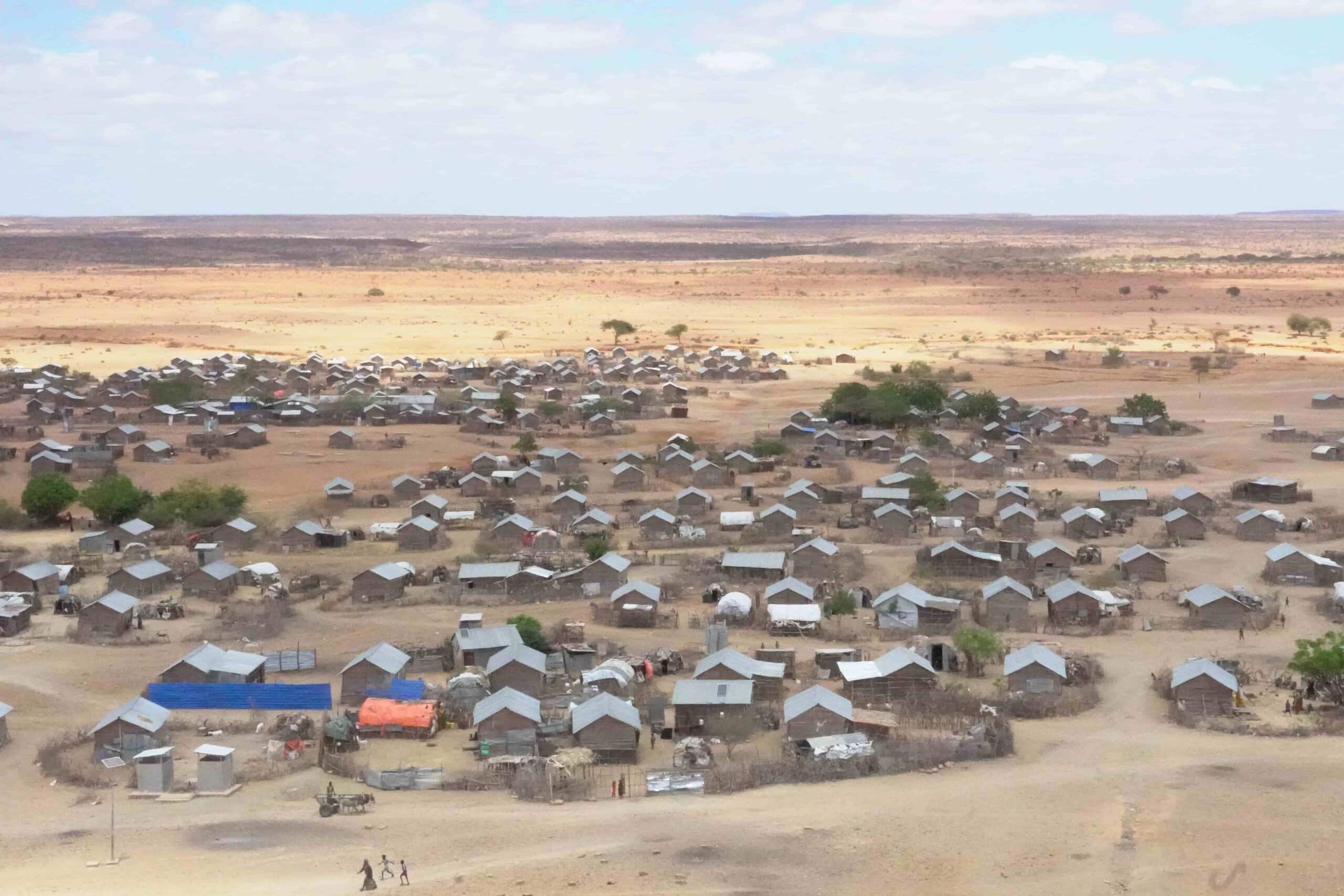
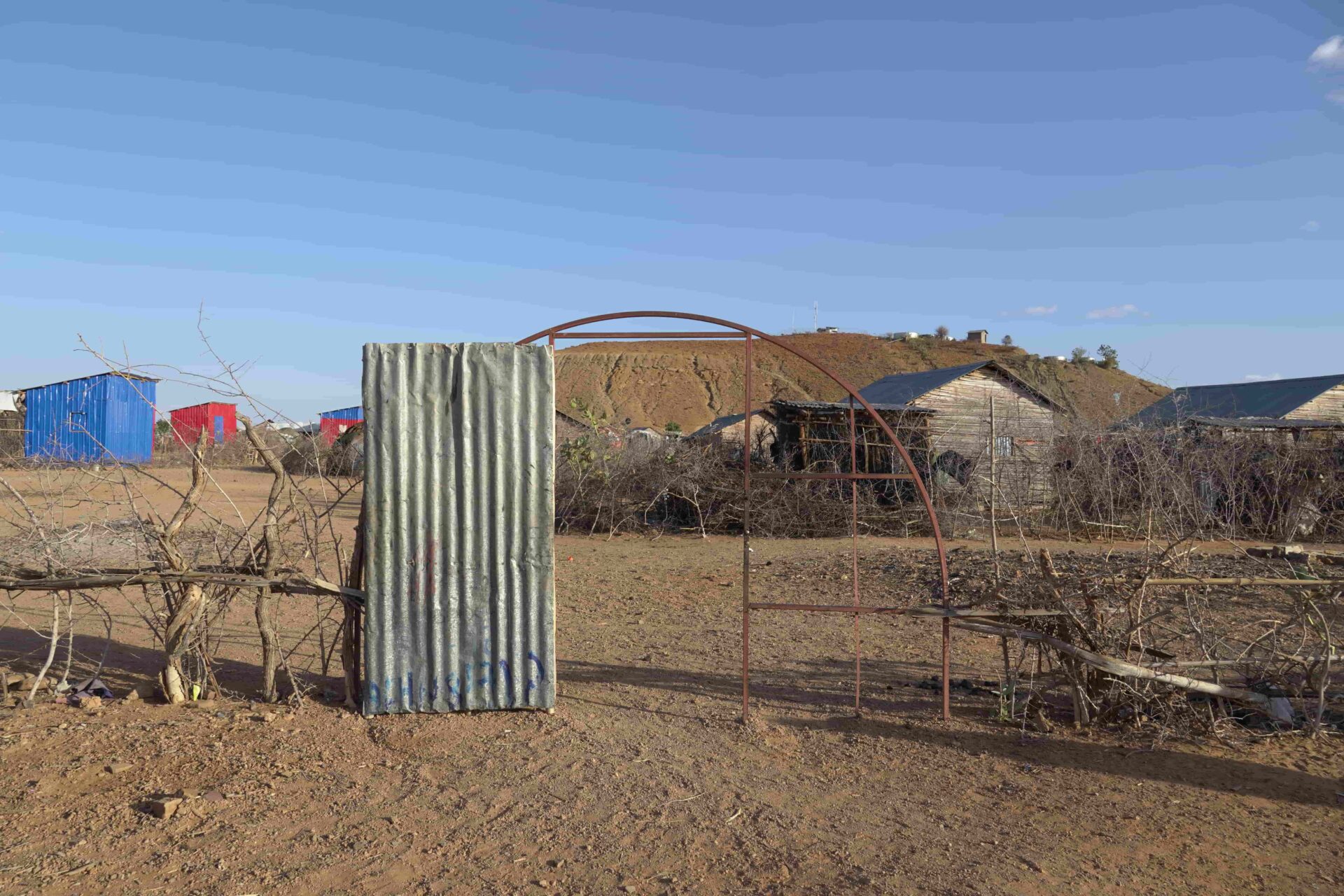
In October 2022, we travelled to Ethiopia on a two-week mission to the Melkadida Refugee Camp. Melkadida is one of five refugee camps in the Dolo Ado region, alongside Kobe, Hilaweyn, Bokolmanyo and Buramino. Situated on the border between Somalia and Ethiopia, these refugee camps currently host more than 219,000 refugees, the majority of whom are from Somalia.
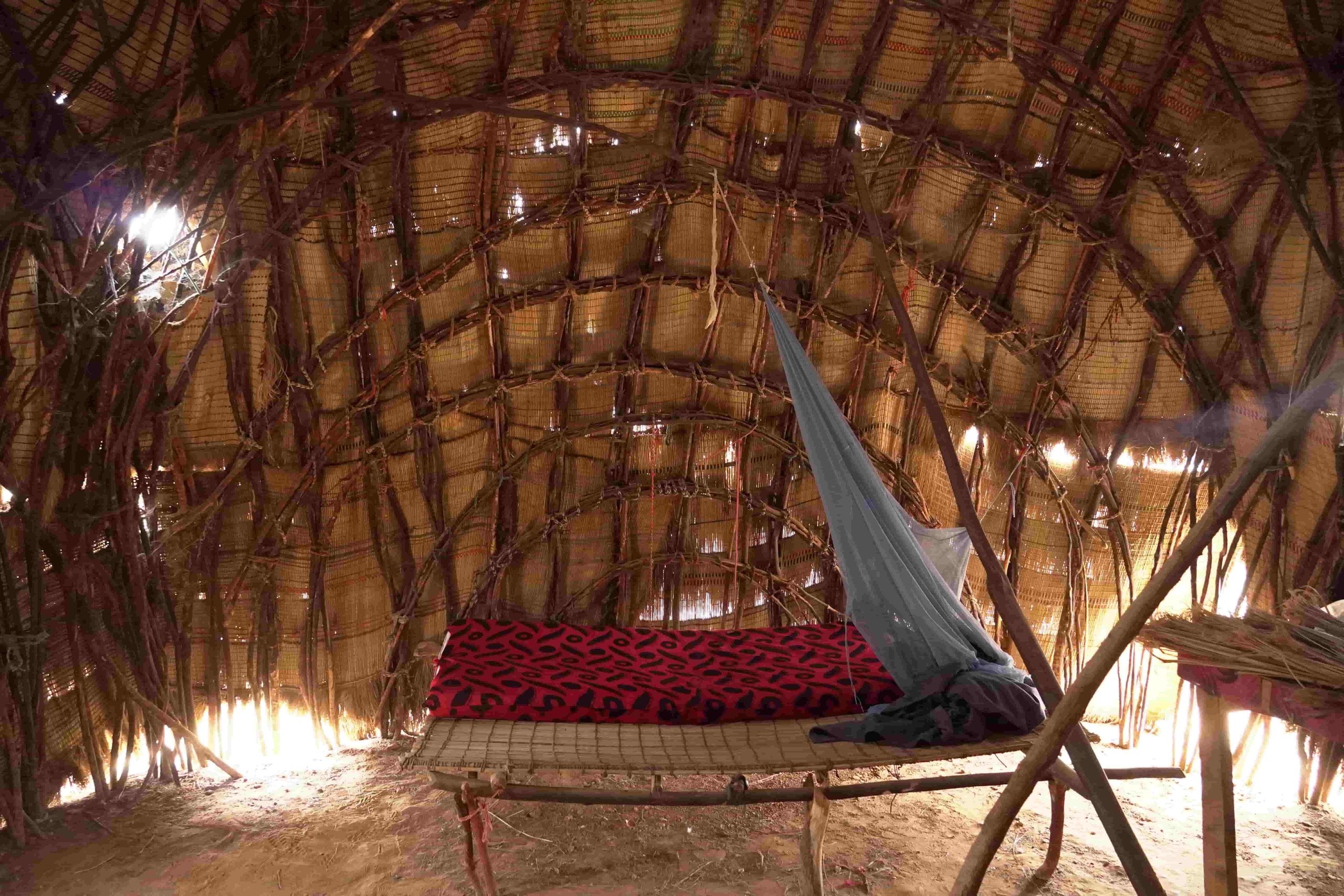
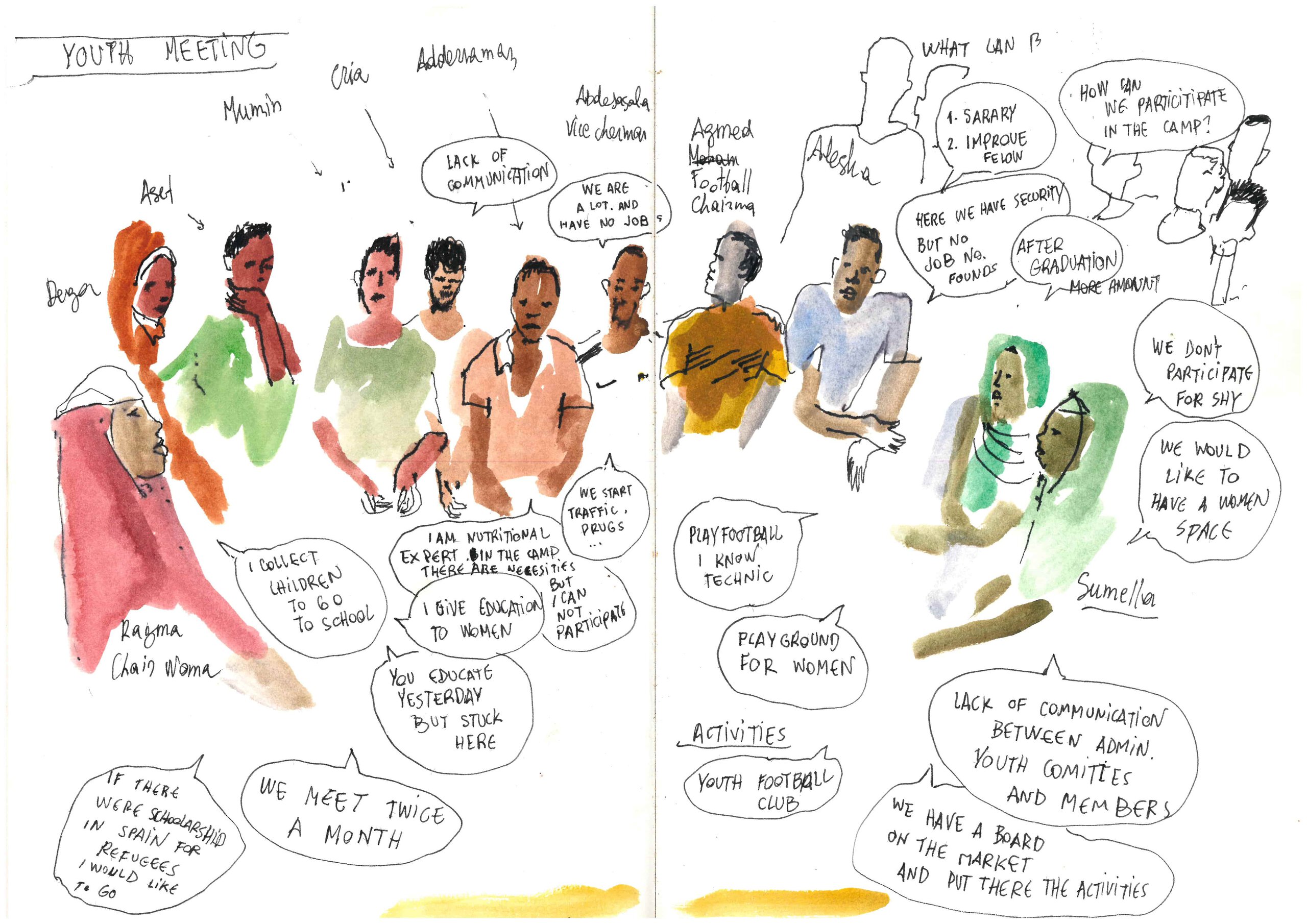
The main aim of the trip was to carry out an initial assessment of the camp, understand how it operates and explore potential opportunities for increasing collective knowledge. We managed to meet with many local associations, schools and co-operatives, as well as the camp’s local government, to hear stories and anecdotes about the camp.
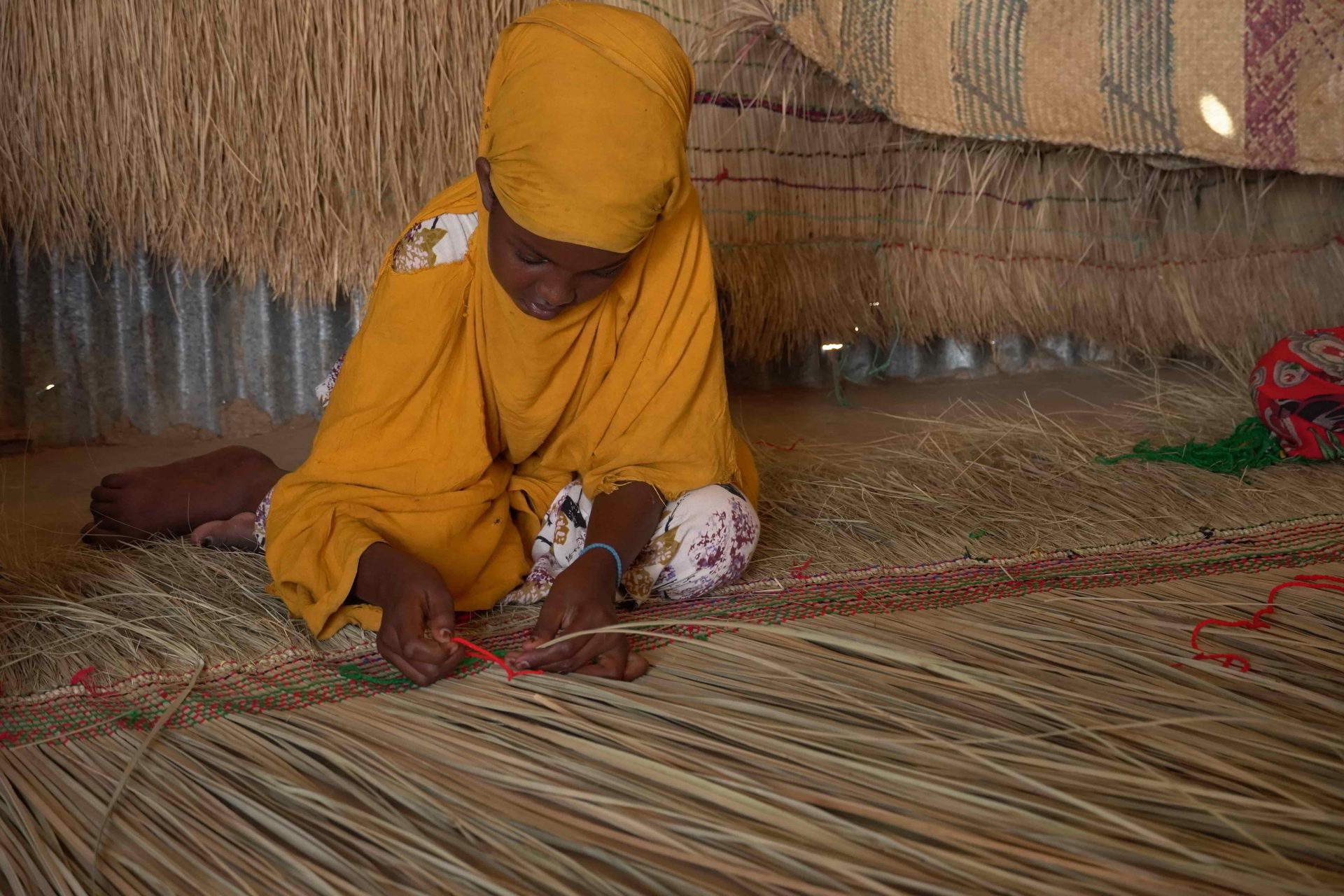
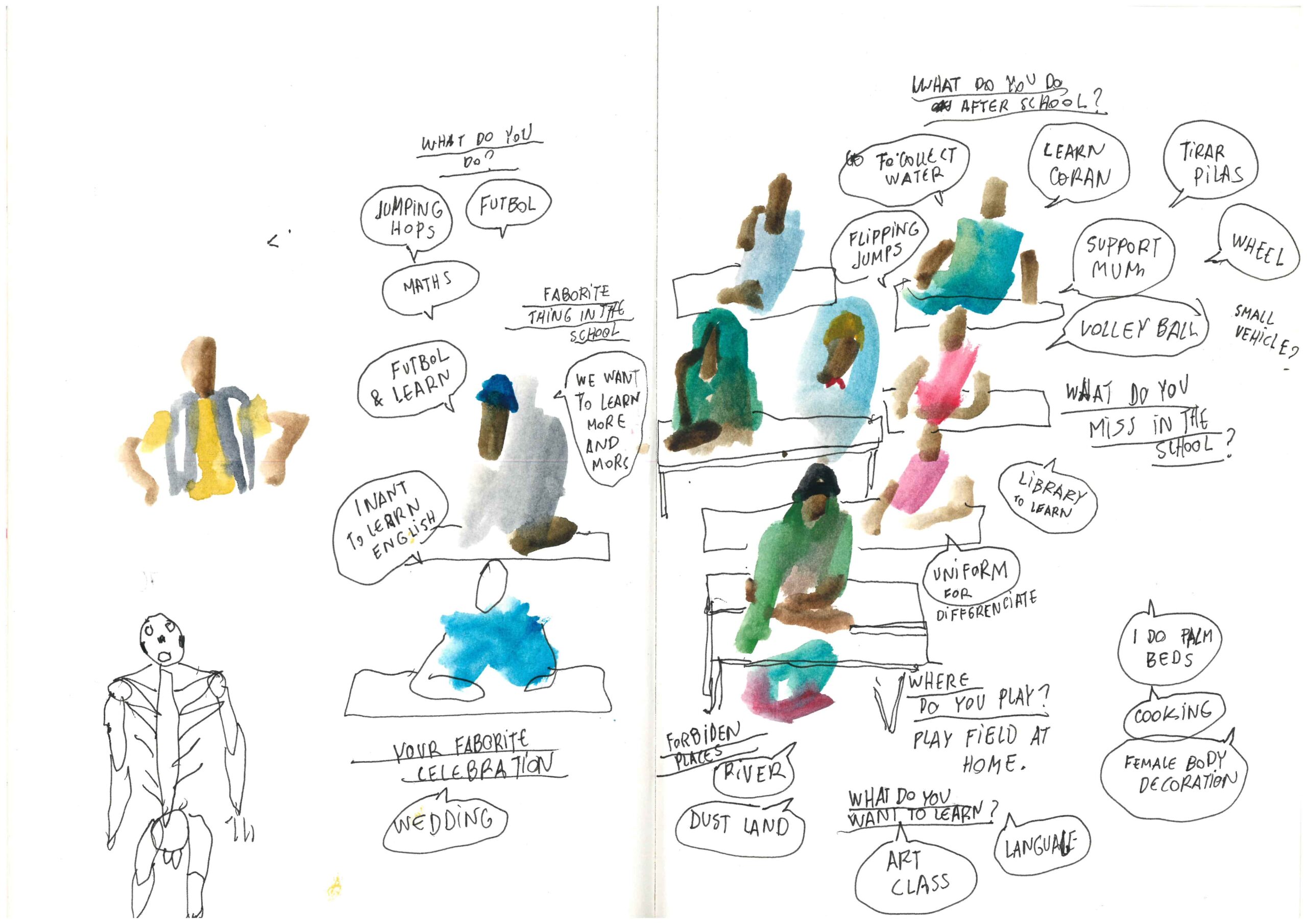
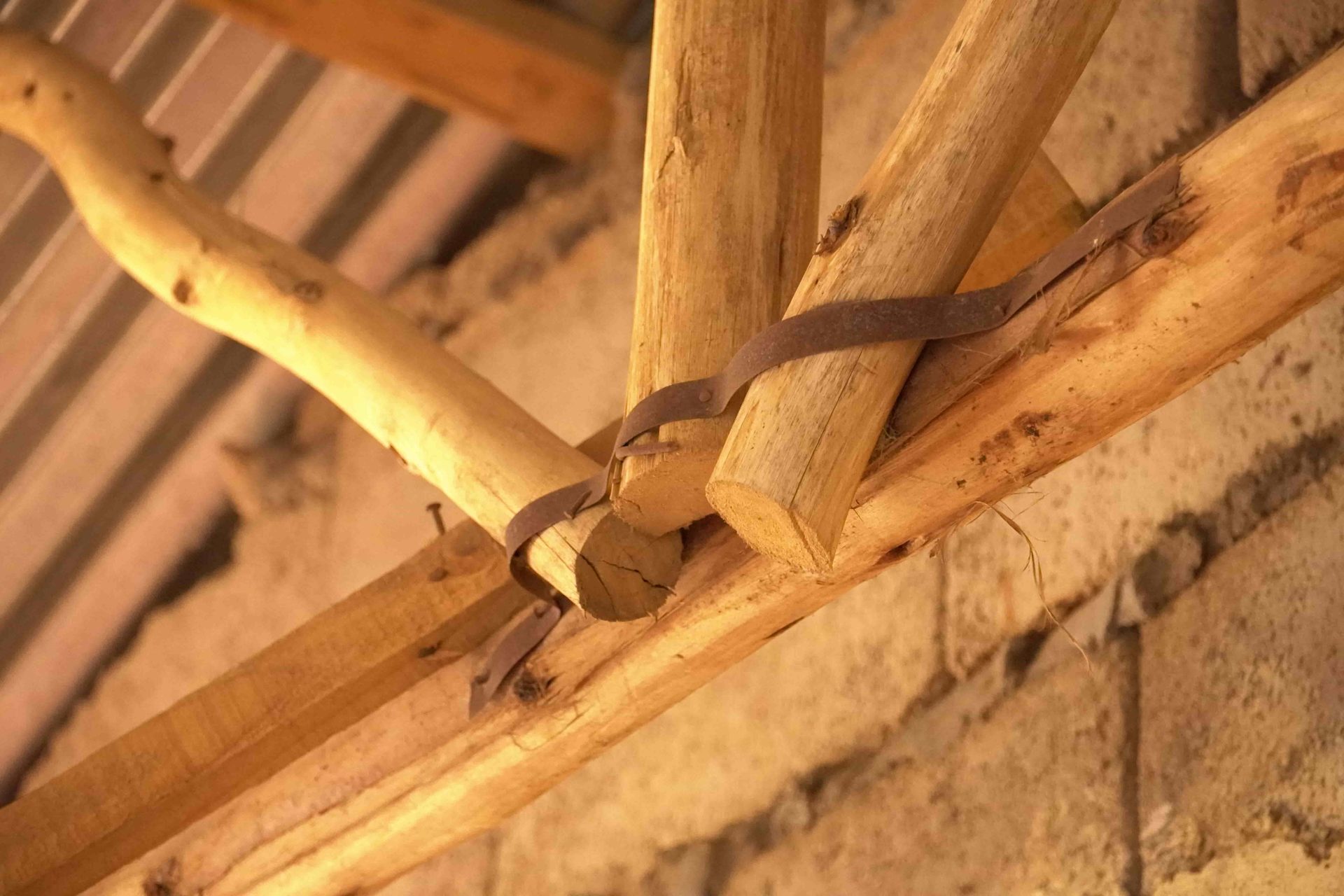
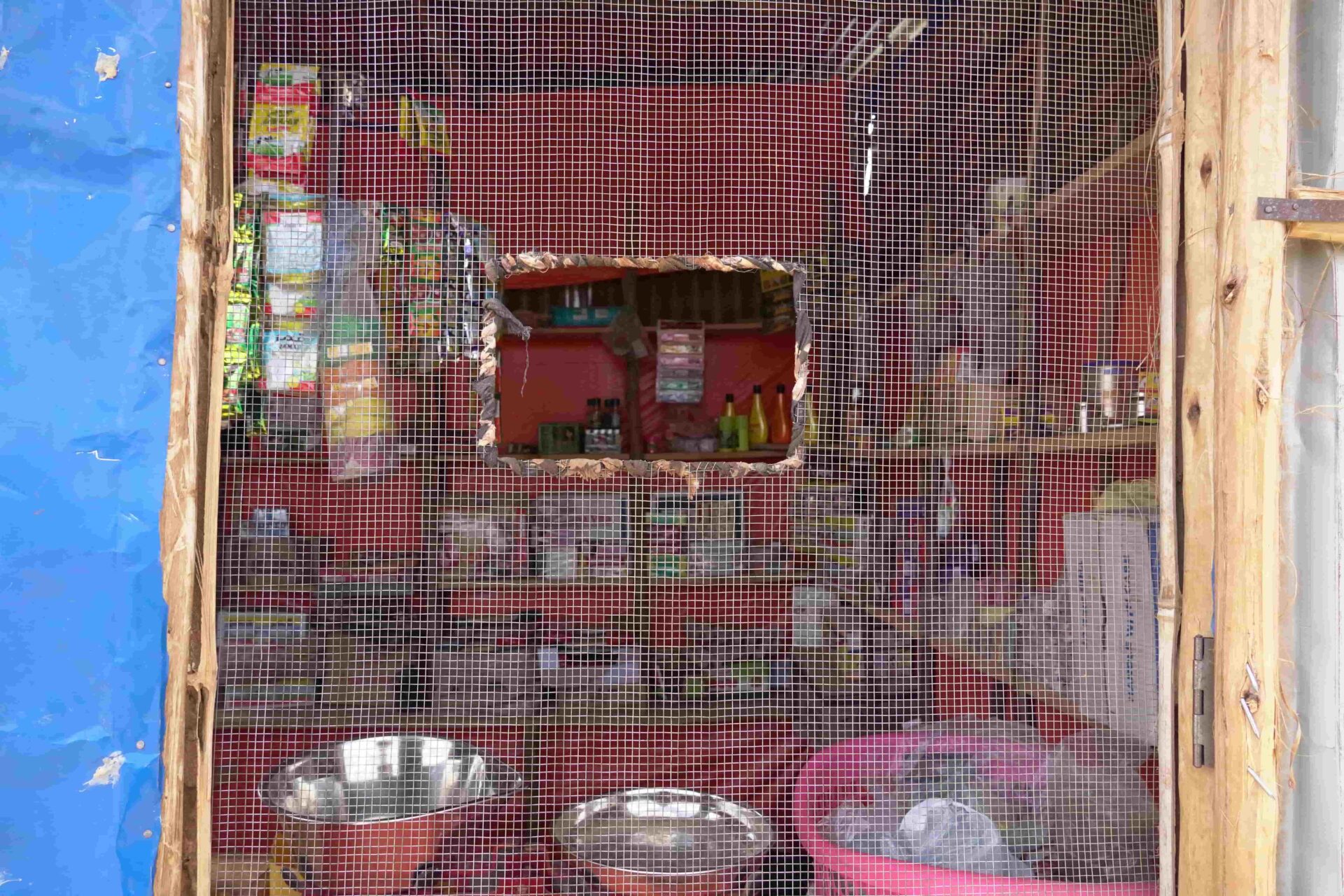
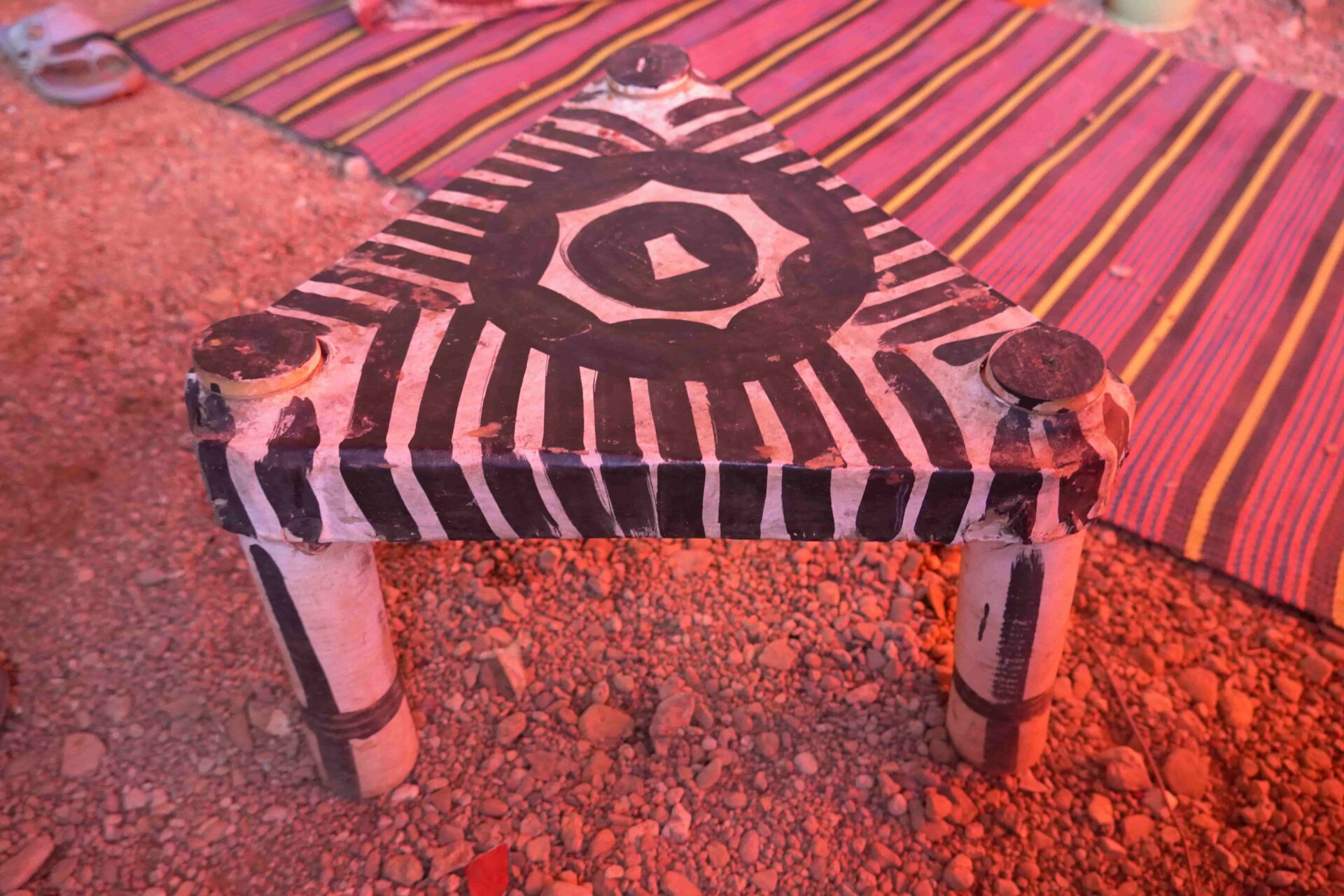
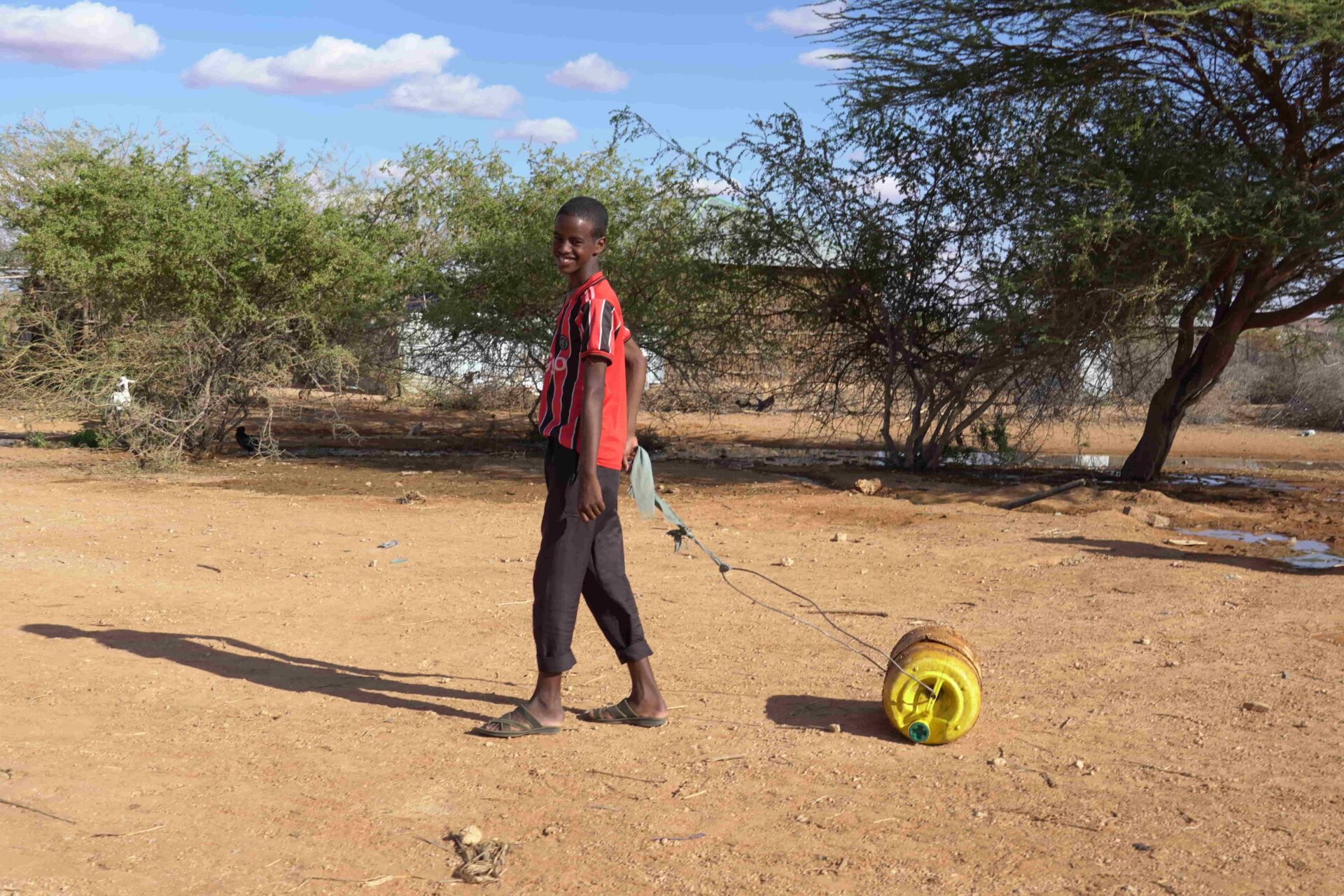
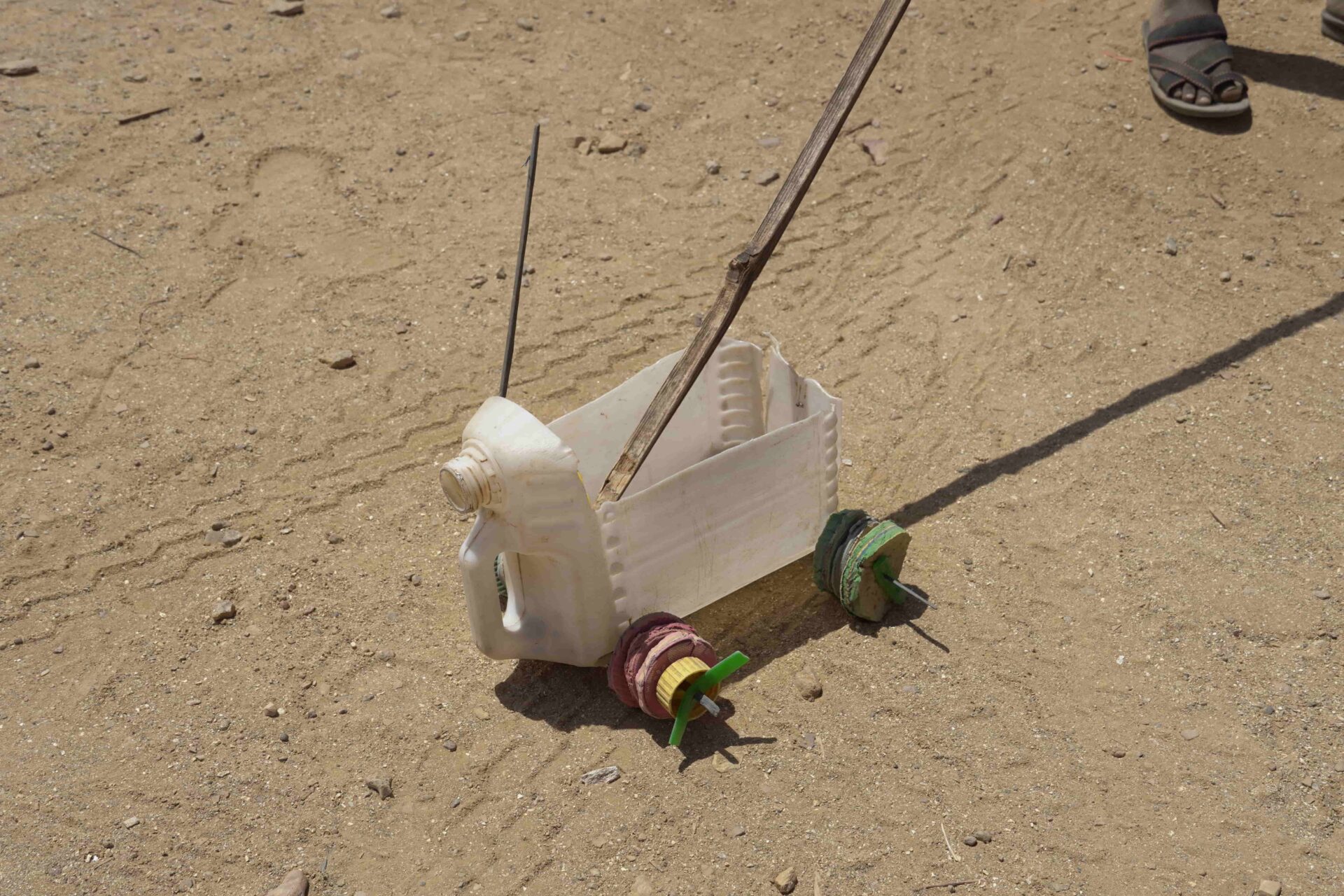
During our many conversations, we recorded numerous examples of ‘low-tech’ solutions developed by and for the community, which we identified as the ‘collective intelligences’ of the place. These are practical, constructive solutions that the community has developed over decades, such as containers for carrying water, coverings for the walls and roofs of homes, and even play items. All this research is detailed further on in the project report, and the knowledge recorded is illustrated and catalogued on the Inteligencias Colectivas website.
This research was made possible thanks to the collaboration with the Spanish Office for Technical Cooperation in Addis Ababa and the organisations managing the refugee camps, UNHCR and ZOA. We would also like to thank the emerging local organisations and initiatives that did not hesitate to share their knowledge with the team and assist us at every stage: Women’s Group, Refugee Central Committee (R.C.C.), Dehabo Abikr Adam, Youth Association, Bekele, Mother Crafts Association, Abderrahman Ibrahim Soobou, Mohamed Adush Hasan, and the many other people who have supported us throughout this project.